Insulin Resistance Meal Plan for Beginners: A Simple 20-Day Guide to Balance Blood Sugar
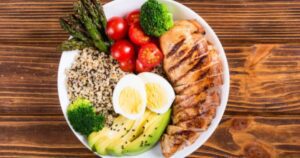
Living with insulin resistance can feel overwhelming at first. Many people struggle with unexplained fatigue, sudden sugar cravings, or difficulty managing weight, and it often feels like no matter what you eat, your blood sugar spikes unexpectedly. Imagine waking up one morning feeling sluggish, reaching for another cup of coffee, and realizing that small changes in your daily meals could make a huge difference in how you feel.
This Insulin Resistance Meal Plan for Beginners is designed to simplify those changes. By following a structured, beginner-friendly approach, you can gradually improve insulin sensitivity, stabilize blood sugar, and regain energy without feeling deprived. The 20-day plan focuses on balanced meals, incorporating low-glycemic foods, lean proteins, and healthy fats, all carefully chosen to support your body’s natural ability to manage insulin.
Whether you are new to managing insulin resistance or simply looking for a clear, practical eating guide, this plan offers easy-to-follow steps that fit seamlessly into everyday life. By the end of these 20 days, you’ll not only have healthier eating habits but also a better understanding of how the right foods can positively impact your insulin levels and overall well-being.
Key Principles for Insulin Resistance-Friendly Eating
Managing insulin resistance effectively starts with understanding the core principles of your diet. Following a structured, beginner-friendly insulin resistance meal plan can help stabilize blood sugar, reduce cravings, and improve overall energy. Below is a comprehensive 20-day plan designed to support your health and insulin sensitivity.
Day 1
Breakfast: Oatmeal with chia seeds, blueberries, and unsweetened almond milk.
- Benefits: High in fiber, supports blood sugar control, provides antioxidants.
- Tip: Add a sprinkle of cinnamon to further improve insulin sensitivity.
- Allergy Note: Substitute almond milk with soy or oat milk if allergic.
Mid-Morning Snack: Handful of almonds.
- Benefits: Healthy fats and protein help reduce hunger pangs.
Lunch: Grilled chicken, steamed broccoli, and quinoa.
- Benefits: Protein-rich, low-glycemic carbs stabilize blood sugar.
Evening Snack: Greek yogurt with cinnamon.
- Tip: Use unsweetened yogurt to avoid sugar spikes.
Dinner: Baked salmon with mixed greens salad.
- Benefits: Omega-3 fatty acids reduce inflammation.
Day 2
Breakfast: Scrambled eggs with spinach and cherry tomatoes.
- Benefits: Protein and fiber stabilize morning blood sugar.
- Allergy Note: Use plant-based egg substitute if allergic.
Mid-Morning Snack: Apple slices with natural peanut butter.
Lunch: Chickpea salad with cucumber, peppers, and olive oil dressing.
- Benefits: Legumes provide fiber and protein, low glycemic load.
Evening Snack: Carrot and cucumber sticks with hummus.
Dinner: Stir-fried chicken with broccoli and mushrooms, served with cauliflower rice.
- Tip: Avoid adding sauces high in sugar or starch.

Day 3
Breakfast: Smoothie with spinach, half banana, unsweetened almond milk, and protein powder.
- Benefits: Balanced nutrients for energy and stable blood sugar.
- Allergy Note: Use hypoallergenic protein powder if needed.
Mid-Morning Snack: Handful of sunflower seeds.
Lunch: Lentil soup with steamed asparagus and green beans.
- Benefits: Fiber-rich meal, supports satiety and insulin sensitivity.
Evening Snack: Cottage cheese (paneer) with a pinch of black pepper.
Dinner: Grilled turkey with roasted zucchini and bell peppers.
- Tip: Roast vegetables with olive oil for healthy fat intake.
Day 4
Breakfast: Chia pudding with unsweetened almond milk and fresh berries.
- Benefits: High in fiber, antioxidants, and healthy fats for blood sugar balance.
Mid-Morning Snack: 10–12 raw almonds.
Lunch: Quinoa salad with cucumber, tomato, feta, and olive oil.
- Tip: Keep dressing simple to avoid excess calories.
Evening Snack: Boiled egg or Greek yogurt.
Dinner: Baked chicken with stir-fried spinach and mushrooms, served with brown rice.
- Benefits: Balanced meal to support overnight blood sugar stability.
Day 5
Breakfast: Oatmeal topped with walnuts and cinnamon.
- Benefits: Heart-healthy fats and fiber improve insulin response.
Mid-Morning Snack: Sliced bell peppers with hummus.
Lunch: Grilled fish with roasted Brussels sprouts and quinoa.
- Tip: Fish provides anti-inflammatory omega-3 fats.
Evening Snack: Greek yogurt with flaxseeds.
Dinner: Turkey stir-fry with broccoli, carrots, and bell peppers.
- Allergy Note: Replace turkey with tofu for vegetarian option.
Day 6
Breakfast: Scrambled eggs with mushrooms and spinach.
- Benefits: Protein-rich breakfast stabilizes morning blood sugar.
Mid-Morning Snack: Handful of mixed nuts.
Lunch: Lentil and vegetable soup with olive oil drizzle.
- Tip: High fiber content keeps you full and supports insulin sensitivity.
Evening Snack: Sliced cucumber with hummus.
Dinner: Baked salmon with roasted zucchini and cauliflower rice.
- Benefits: Omega-3 fatty acids for heart and metabolic health.
Day 7
Breakfast: Green smoothie with kale, unsweetened almond milk, half banana, and chia seeds.
- Tip: Use unsweetened protein powder for added protein without sugar spikes.
Mid-Morning Snack: Handful of pumpkin seeds.
Lunch: Chickpea salad with cucumbers, tomatoes, and olive oil.
- Benefits: Plant-based protein and fiber stabilize blood sugar.
Evening Snack: Greek yogurt with cinnamon.
Dinner: Grilled chicken with roasted Brussels sprouts and quinoa.
- Tip: Roast vegetables with olive oil for healthy fats.
Day 8
Breakfast: Oatmeal with walnuts, flaxseeds, and blueberries.
- Benefits: Fiber and antioxidants support metabolic health.
Mid-Morning Snack: Carrot sticks with hummus.
Lunch: Lentil soup with steamed asparagus.
- Tip: High fiber and protein help manage insulin resistance.
Evening Snack: Boiled egg or cottage cheese.
Dinner: Baked fish with roasted broccoli and cauliflower rice.
- Allergy Note: Replace fish with tofu if allergic.
Day 9
Breakfast: Smoothie with spinach, almond milk, chia seeds, and half banana.
- Benefits: Nutrient-dense breakfast for stable blood sugar.
Mid-Morning Snack: Handful of almonds or walnuts.
Lunch: Grilled turkey with quinoa and steamed vegetables.
- Tip: Add olive oil for healthy fat intake.
Evening Snack: Greek yogurt with flaxseeds.
Dinner: Stir-fried chicken with broccoli, mushrooms, and cauliflower rice.
- Benefits: Balanced protein, fiber, and low-glycemic carbs.
Day 10
Breakfast: Chia pudding with unsweetened almond milk and berries.
- Benefits: High in fiber and antioxidants to support insulin sensitivity.
Mid-Morning Snack: Handful of mixed nuts.
Lunch: Chickpea and cucumber salad with olive oil dressing.
- Tip: Fiber-rich legumes keep blood sugar stable.
Evening Snack: Cottage cheese (paneer) with a pinch of pepper.
Dinner: Grilled salmon with roasted zucchini and quinoa.
- Allergy Note: Replace salmon with tofu or chicken if allergic.
Day 11
Breakfast: Oatmeal with chia seeds, raspberries, and unsweetened almond milk.
- Benefits: High fiber and antioxidants stabilize blood sugar.
- Tip: Add a pinch of cinnamon for better insulin response.
- Allergy Note: Substitute almond milk with oat or soy milk if allergic.
Mid-Morning Snack: Handful of walnuts.
Lunch: Grilled chicken with quinoa and steamed broccoli.
- Benefits: Lean protein and low-glycemic carbs help maintain energy.
Evening Snack: Greek yogurt with flaxseeds.
Dinner: Baked salmon with mixed greens and olive oil.
- Tip: Omega-3 fatty acids reduce inflammation and improve insulin sensitivity.
Day 12
Breakfast: Scrambled eggs with spinach and cherry tomatoes.
- Benefits: Protein-rich breakfast stabilizes morning blood sugar.
Mid-Morning Snack: Apple slices with natural peanut butter.
Lunch: Lentil salad with cucumber, tomato, and olive oil.
- Tip: Legumes provide fiber and plant-based protein.
Evening Snack: Carrot sticks with hummus.
Dinner: Grilled turkey with roasted zucchini and quinoa.
- Allergy Note: Use tofu instead of turkey for vegetarian option.
Day 13
Breakfast: Green smoothie with spinach, almond milk, chia seeds, and half banana.
- Benefits: Balanced breakfast for steady energy and blood sugar.
Mid-Morning Snack: Handful of pumpkin seeds.
Lunch: Chickpea and vegetable salad with olive oil dressing.
- Tip: Fiber-rich legumes help reduce insulin spikes.
Evening Snack: Greek yogurt with cinnamon.
Dinner: Baked chicken with roasted broccoli and cauliflower rice.
- Benefits: Balanced low-glycemic dinner for overnight blood sugar stability.
Day 14
Breakfast: Chia pudding with unsweetened almond milk and blueberries.
- Benefits: High in fiber, antioxidants support insulin regulation.
Mid-Morning Snack: Handful of almonds or walnuts.
Lunch: Grilled fish with quinoa and steamed green beans.
- Tip: Fish provides anti-inflammatory omega-3 fatty acids.
Evening Snack: Cottage cheese (paneer) with a pinch of black pepper.
Dinner: Stir-fried chicken with bell peppers and broccoli.
- Allergy Note: Replace chicken with tofu for vegetarian option.
Day 15
Breakfast: Oatmeal with walnuts, cinnamon, and raspberries.
- Benefits: Fiber and healthy fats improve insulin response.
Mid-Morning Snack: Sliced cucumber with hummus.
Lunch: Lentil soup with roasted asparagus.
- Tip: Fiber-rich meals support stable blood sugar.
Evening Snack: Boiled egg or Greek yogurt.
Dinner: Baked salmon with roasted zucchini and brown rice.
- Benefits: Balanced meal with protein, fiber, and healthy fats.
Day 16
Breakfast: Scrambled eggs with mushrooms and spinach.
- Benefits: Protein and fiber stabilize morning blood sugar.
Mid-Morning Snack: Handful of mixed nuts.
Lunch: Chickpea and cucumber salad with olive oil dressing.
- Tip: Fiber-rich legumes keep blood sugar stable.
Evening Snack: Greek yogurt with flaxseeds.
Dinner: Grilled chicken with roasted broccoli and cauliflower rice.
- Allergy Note: Replace chicken with tofu if allergic.
Day 17
Breakfast: Green smoothie with kale, almond milk, chia seeds, and half banana.
- Benefits: Nutrient-dense breakfast to stabilize blood sugar and provide energy.
Mid-Morning Snack: Handful of pumpkin seeds.
Lunch: Lentil salad with cucumber, tomatoes, and olive oil.
- Tip: Include legumes for protein and fiber-rich meals.
Evening Snack: Carrot sticks with hummus.
Dinner: Baked fish with roasted zucchini and quinoa.
- Benefits: Omega-3 fatty acids improve metabolic health.
Day 18
Breakfast: Oatmeal topped with walnuts and blueberries.
- Benefits: Fiber and antioxidants support blood sugar control.
Mid-Morning Snack: Handful of almonds.
Lunch: Grilled turkey with quinoa and steamed vegetables.
- Tip: Use olive oil dressing for healthy fats.
Evening Snack: Greek yogurt with cinnamon.
Dinner: Stir-fried chicken with broccoli and mushrooms.
- Allergy Note: Use tofu or paneer if allergic to chicken.
Day 19
Breakfast: Chia pudding with unsweetened almond milk and raspberries.
- Benefits: Fiber and antioxidants promote insulin sensitivity.
Mid-Morning Snack: Handful of sunflower seeds.
Lunch: Chickpea salad with cucumber, tomato, and olive oil.
- Tip: Legumes and olive oil support balanced blood sugar.
Evening Snack: Cottage cheese (paneer) with a pinch of pepper.
Dinner: Baked salmon with roasted broccoli and cauliflower rice.
- Benefits: Protein, fiber, and healthy fats for overnight insulin support.
Day 20
Breakfast: Smoothie with spinach, almond milk, chia seeds, and half banana.
- Benefits: Balanced nutrients for energy and stable blood sugar.
Mid-Morning Snack: Handful of mixed nuts.
Lunch: Grilled chicken with quinoa and steamed vegetables.
- Tip: Lean protein and fiber maintain energy and reduce cravings.
Evening Snack: Greek yogurt with flaxseeds.
Dinner: Baked fish with roasted zucchini and brown rice.
- Allergy Note: Replace fish with tofu or chicken if needed.
Quick Takeaways: 20-Day Insulin Resistance Meal Plan
- Follow a structured, balanced diet with low-glycemic foods, lean protein, and healthy fats for insulin support.
- Consistency is key — regular meals and snacks help maintain stable blood sugar.
- Hydration is essential — water or herbal teas between meals support metabolism.
- Include high-fiber foods like oats, chia seeds, legumes, vegetables, and fruits to manage cravings.
- Protein-rich breakfasts stabilize morning blood sugar and energy levels.
- Healthy fats (olive oil, nuts, seeds, fatty fish) reduce inflammation and support heart health.
- Be mindful of allergies — alternatives like tofu, soy, or oat milk can be used where needed.
- Combine this meal plan with regular physical activity for maximum benefits.
- Track your progress — note how your energy, cravings, and overall well-being improve.
- Use this plan as a sustainable guide, not a temporary diet, for long-term insulin resistance management.
Conclusion: Key Insights from the 20-Day Meal Plan
- Follow structured meals with low-glycemic carbs, lean proteins, and healthy fats to manage insulin resistance.
- Include fiber-rich foods like oats, chia seeds, legumes, and vegetables for blood sugar control.
- Hydrate adequately with water or herbal teas throughout the day.
- Use protein-rich breakfasts to stabilize morning energy levels.
- Incorporate healthy fats from nuts, seeds, olive oil, and fatty fish to reduce inflammation.
- Be mindful of allergies and use alternatives like tofu, soy, or oat milk where necessary.
- Combine the meal plan with regular physical activity for optimal results.
- Track progress to stay motivated and maintain long-term insulin management.
Frequently Asked Questions
- Q: Can I follow this meal plan if I have diabetes?
A: Yes, but consult your healthcare provider to adjust portions and monitor blood sugar levels. - Q: Can vegetarians follow this plan?
A: Absolutely. Substitute meat and fish with plant-based proteins like tofu, legumes, or tempeh. - Q: Are snacks necessary?
A: Yes, healthy snacks help maintain stable blood sugar and prevent overeating at main meals. - Q: Can I swap meals between days?
A: Yes, keep portion sizes similar and focus on low-glycemic, high-fiber foods. - Q: How long should I follow this plan?
A: You can use it as a long-term guide while adjusting according to your lifestyle and progress.
About the Author
This article is written by the VitaGlowZenith Editorial Team. We provide easy-to-understand, evidence-based wellness tips to help you make better health and lifestyle choices.