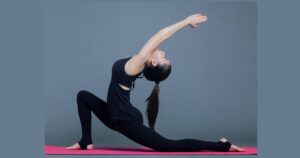
A short connecting scene: after a long day of sitting, a person pauses, rolls their shoulders, and stands up to try a few simple yoga moves. Within minutes the legs feel lighter and breathing eases. This gentle start becomes a daily habit and gradually improves energy, reduces leg fatigue, and helps recovery after exercise. This guide shows practical, safe steps to use Yoga Poses to Improve Blood Circulation — with clear instructions, useful variations, and safety callouts so you can practice confidently.
Why blood circulation matters
Blood circulation is how your body transports oxygen, nutrients and immune cells, and clears metabolic waste. Efficient circulation supports energy levels, faster recovery, skin health, temperature regulation and cognitive function. Poor circulation can show up as cold hands or feet, heavy legs, muscle cramps, swelling, and slower healing. For many people, improving daily movement and using targeted yoga can meaningfully improve these symptoms.
How yoga helps circulation
- Yoga improves blood flow through several complementary effects:
- Muscle pump: Contracting leg and core muscles squeezes veins and assists venous return to the heart.
- Mild inversions: Poses that elevate the legs or partially reverse gravity reduce blood pooling in the lower limbs.
- Breath mechanics: Diaphragmatic breathing changes thoracic pressure and supports venous flow.
- Vascular tone: Stress reduction from yoga relaxes vessels, decreasing chronic vasoconstriction.
- Mobility & posture: Better posture reduces mechanical restrictions that can impede circulation over time.
Together these mechanisms explain why targeted yoga and regular movement are useful for people looking to improve blood flow naturally and support cardiovascular wellness.
How to use this guide
Top 10 yoga poses to improve blood circulation
1. Tadasana (Mountain Pose) — Posture & activation
Why it helps: Tadasana establishes alignment, engages leg muscles lightly and primes breath awareness. Activating the thighs and calves supports the muscle pump that pushes blood upward.
Steps
- Stand with feet hip-width or together; distribute weight evenly across both feet.
- Gently engage the quadriceps and lift the kneecaps without locking the knees.
- Lengthen the spine, roll shoulders down and back, and soften the throat.
- Breathe slowly for 6–8 diaphragmatic breaths. Repeat overhead reaches for 5 rounds to mobilize the thoracic cavity.
Modifications & cues: Practice near a wall to sense alignment. If standing is difficult, sit with feet grounded and practice the same cues.
Hold time: 30–60 seconds per round, 2–4 rounds.
2. Adho Mukha Svanasana (Downward-Facing Dog) — Full-body flow
Why it helps: A mild inversion that increases blood flow to the upper body, stretches calves and hamstrings, and encourages active foot movement which stimulates venous return.
Steps
- Begin on hands and knees, shoulders over wrists and knees under hips.
- Tuck toes and lift hips toward the ceiling forming an inverted V-shape.
- Keep a micro-bend in the knees if hamstrings are tight and press the heels gently toward the mat.
- Breathe for 5–10 breaths. Pedal the feet briefly to activate the calves and ankle pump.
Modification: Use blocks under hands or keep knees bent for comfort. Hold 5–10 breaths per round.
3. Virabhadrasana II (Warrior II) — Strength & endurance
Why it helps: Warrior II builds strength and endurance in the legs, supporting the calf muscle pump which is crucial for returning blood from the lower limbs.
Steps
- From standing, step one foot back and turn it slightly outward.
- Bend the front knee to align over the ankle, press through both feet.
- Extend arms parallel to the floor and gaze over the front hand. Breathe steadily for 4–8 breaths.
- Switch sides and repeat.
Common mistake: Allowing the front knee to collapse inward — keep it tracking toward the second toe.
Hold time: 30–60 seconds each side for strength and circulation benefits.
4. Viparita Karani (Legs-Up-The-Wall) — Restorative inversion
Why it helps: Legs-Up-The-Wall is an accessible inversion that reduces swelling and venous pooling by allowing gravity to assist return flow without strain on the heart.
Steps
- Sit next to a wall and swing your legs up the wall as you lower your back to the floor so your heels are resting on the wall.
- Relax the arms by your sides, soften the jaw and breathe slowly for 5–15 minutes if comfortable.
- To exit, bend knees, roll to one side and press up slowly.
This pose is especially useful after long travel or extended sitting and can be used daily for recovery.
5. Setu Bandha Sarvangasana (Bridge Pose) — Chest opening & leg engagement
Why it helps: Bridge Pose opens the chest, improves thoracic mobility for better breathing and activates glutes and hamstrings which aid venous return.
Steps
- Lie on your back with knees bent and feet hip-width apart near the sitting bones.
- Press through the feet and lift the hips; interlace fingers under the back for a gentle lift if comfortable.
- Keep neck neutral and hold for 4–8 breaths, then lower slowly.
Modification: Use a block under the sacrum for supported bridge to hold longer with minimal effort.
Hold time: 4–8 breaths per round, 2–4 rounds.
6. Ardha Matsyendrasana (Seated Spinal Twist) — Abdominal circulation & digestion
Why it helps: Twists gently compress and release abdominal organs and the surrounding vasculature, supporting venous flow and digestion which indirectly benefits overall circulation.
Steps
- Sit with legs extended. Bend the right knee and cross it over the left thigh.
- Place the left elbow outside the right knee and twist gently to the right, lengthening the spine on the inhale.
- Hold 4–6 breaths, then switch sides.
7. Supported Shoulder stand Prep (Supported mild inversion)
Why it helps: Supported inversions (using blankets or blocks) reverse the gravitational pull on blood in a gentle, safe way and stimulate hormonal balance without heavy neck strain.
Steps
- Start with Bridge Pose. Place a folded blanket or a block under the shoulders to create a small lift.
- Lift hips onto the support so the torso is slightly inverted; keep the chin slightly tucked and the neck long.
- Hold 1–3 minutes if comfortable; exit slowly and rest in Savasana.
Supported inversions are safer and effective for beginners and those with mild circulatory needs.
8. Anjaneyasana (Low Lunge) — Hip opener & leg activation
Why it helps: Low Lunge opens tight hip flexors and activates the front leg muscles, improving walking mechanics and the calf-thigh pump efficiency.
Steps
- From standing, step one foot forward and lower the back knee to the mat.
- Square the hips, sink into the front hip and lift the chest; breathe for 4–6 breaths.
- Switch sides and repeat.
9. Supta Baddha Konasana (Reclined Bound Angle) — Restorative pelvic opening
Why it helps: Reclined Bound Angle gently opens the inner thighs and pelvis, improving venous return from groin and inner legs while promoting deep breathing and relaxation.
Steps
- Lie back and bring the soles of the feet together, allowing the knees to fall open.
- Place blocks under the knees for support and breathe slowly for 5–10 minutes if comfortable.
- To come out, draw knees together and roll gently to the side before sitting up.
Use supports to make the pose more restorative and to hold longer without strain.
10. Savasana with Diaphragmatic Breathing — Deep relaxation for vascular health
Why it helps: Deep diaphragmatic breathing lowers sympathetic tone, increases parasympathetic activity and improves heart rate variability — all supporting long-term vascular health and better blood flow.
Steps
Tip: Even 3–5 minutes of focused diaphragmatic breathing after prolonged sitting or at the end of the day can meaningfully reduce leg heaviness and stress-related vascular constriction.
Short daily sequence (10–25 minutes) — practical plan
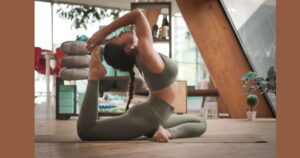
Use this compact routine most days. It balances activation, mobility, mild inversion and relaxation to maximize circulatory benefits in limited time.
- Warm-up (2–3 minutes): Ankle circles, shoulder rolls, gentle marching in place.
- Tadasana with overhead reaches: 1 minute to mobilize the thorax and engage postural muscles.
- Downward-Facing Dog: 2–3 rounds of 5 breaths; pedal the feet for 10–20 seconds each round.
- Warrior II: 30–60 seconds each side to activate leg muscles.
- Low Lunge: 4–6 breaths each side for hip opening and leg flow.
- Bridge or Supported Bridge: 2–3 rounds of 4–8 breaths to engage glutes and open the chest.
- Twist (each side): 4 breaths each to encourage abdominal circulation.
- Legs-Up-The-Wall: 3–8 minutes for passive inversion and reduced swelling.
- Savasana with diaphragmatic breathing: 5–10 minutes to seal the practice.
4-week progression plan — build safely
- Week 1: 10–12 minutes daily — focus on Tadasana, Downward Dog, simple breathing, and 3–5 minutes Legs-Up-The-Wall.
- Week 2: 12–18 minutes — add Warrior II, Low Lunge and short Bridge sets; keep inversions brief.
- Week 3: 15–20 minutes — add supported mild inversion for 1–3 minutes and longer breathing practice.
- Week 4: 20–25 minutes — combine activation, support inversions and restorative holds; aim for consistent breathing sessions daily.
Practical lifestyle tips to amplify results
- Move hourly: Stand, do calf raises or walk for 2–3 minutes every 45–60 minutes when working at a desk.
- Hydrate: Dehydration can reduce blood volume and impair flow — drink water regularly.
- Cardio complement: Brisk walking, cycling or swimming 2–4 times weekly supports larger-scale cardiovascular adaptations.
- Sleep & stress: Prioritize good sleep and stress management — they reduce chronic vasoconstriction and support vascular health.
- Footwear & posture: Comfortable shoes and good posture help calf pump efficiency while you move.
Sample Daily Routine
Routine:
- Tadasana – 1 min
- Downward Dog – 5 breaths
- Warrior II – 30 sec each side
- Bridge Pose – 4–8 breaths
- Legs-Up-The-Wall – 5–10 min
- Twist & Low Lunge – 4–6 breaths each side
- Reclined Bound Angle – 5–10 min
- Shavasana – 5–10 min
Precautions & Safety Tips for Yoga Beginners
Always start gently, avoid over-stretching, and use props like blocks, straps, or folded blankets for support. Listen to your body and breathe steadily. Stop if you feel pain, dizziness, or unusual discomfort.
Common Circulation Problems and How Yoga Helps
Tracking Progress & Measuring Improvement
Monitor changes in energy levels, leg heaviness, and recovery after exercise. A simple journal or checklist of daily yoga practice, breathing duration, and perceived leg comfort can help you notice improvements over 2–4 weeks.
Key Takeaways: Improve Blood Circulation with Yoga
Follow these essential steps and tips from the article to naturally boost your blood circulation and overall wellness through yoga:
- Daily Yoga Routine: Include poses like Legs-Up-The-Wall, Bridge Pose, Cat-Cow, Cobra Pose, and Shoulder Stand for 15–30 minutes daily.
- Warm-Up & Breathing: Begin with gentle stretches and deep, steady breathing to enhance oxygen flow and reduce muscle tension.
- Hydration & Diet: Drink enough water and consume nutrient-rich foods to support vascular health.
- Consistency Matters: Practice yoga regularly and track your progress in a journal to see improvements in 2–4 weeks.
- Precautions: Avoid over-stretching, listen to your body, and consult a doctor if you have heart issues, high blood pressure, or recent injuries.
- Enhance Circulation Naturally: Incorporate movement breaks during the day, elevate legs when resting, and combine yoga with light cardio if suitable.
- Mind-Body Connection: Focus on breathing, posture alignment, and mindful movements to maximize benefits.
- Track Improvements: Monitor energy levels, leg heaviness, and recovery after workouts to adjust your yoga routine effectively.
- External Resources: For more yoga guidance, visit
Yoga Journal and Healthline Yoga Tips.
Remember: A few minutes of yoga daily, combined with healthy habits, can significantly improve blood circulation, boost energy, and enhance overall well-being.
Conclusion
Practicing these yoga poses regularly can significantly improve blood circulation, boost energy, and promote overall wellness. Start gently, maintain consistency, and combine yoga with healthy lifestyle habits for the best results. Always listen to your body and gradually increase duration and intensity.
Disclaimer
The information provided in this article is for educational purposes only and is not a substitute for professional medical advice. Always consult a qualified healthcare provider before starting any new fitness, yoga, or nutrition program, especially if you have pre-existing medical conditions.
Frequently Asked Questions (FAQ)
1. How long should I practice yoga daily to improve blood circulation?
Start with 15–30 minutes daily. Consistency matters more than duration. Over time, you can gradually increase your practice to 45 minutes if comfortable.
2. Are there any precautions I should take while performing yoga poses?
Yes. Avoid over-stretching, use props if needed, maintain steady breathing, and stop if you experience pain or dizziness. Consult your doctor if you have heart conditions, high blood pressure, or recent injuries.
3. Can yoga alone improve circulation, or do I need other exercises?
Yoga significantly helps circulation, but combining it with light cardio, walking, and healthy diet further enhances results. Movement throughout the day also supports blood flow.
4. Which yoga poses are most effective for leg circulation?
Legs-Up-The-Wall Pose, Bridge Pose, Cobra Pose, Cat-Cow Pose, and Shoulder Stand are highly effective. Gentle twists and stretches also help improve venous return.
5. How soon can I expect to see improvements in circulation?
Most beginners notice increased energy and reduced leg heaviness within 2–4 weeks of consistent practice. Progress depends on frequency, duration, and overall lifestyle habits.
6. Are external resources recommended for guided yoga sessions?
Yes. Reputable resources like Yoga Journal and Healthline Yoga Tips provide guided tutorials, safety instructions, and modifications for beginners and advanced practitioners.