8 Antioxidant Foods and Drinks More Powerful Than Green Tea
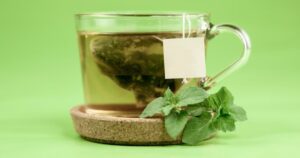
Many people choose green tea for daily antioxidants, but there are several options that
deliver stronger antioxidant power and broader health benefits. This article explains
the best antioxidant foods and drinks that frequently outperform green tea
in antioxidant density, absorption, and multiple health outcomes. Read on to learn how to
include these options into a USA-friendly lifestyle with practical serving ideas, safety notes,
and simple combinations that help your body absorb nutrients more effectively.
Why choose alternatives to green tea?
Green tea is valuable, yet other foods and beverages contain different antioxidant groups
(anthocyanins, polyphenols, betalains, resveratrol) which can be more powerful for specific
goals like inflammation reduction, heart support, or exercise recovery. Choosing a variety
of best antioxidant foods and drinks increases the breadth of protective compounds
you get, and mixing these into your day delivers real, measurable advantages without complicated
routines.
- Different antioxidants act on different pathways—variety matters.
- Whole foods often include fiber and co-nutrients missing from simple teas.
- Some drinks (like matcha) are more concentrated than brewed green tea.
1. Blueberries — concentrated anthocyanin power
Blueberries are consistently ranked among top antioxidant fruits because of their high
anthocyanin content. These compounds are linked with cognitive support, reduced oxidative
stress, and improved blood vessel function. Blueberries are easy to include, extremely
versatile, and especially useful for people who want food-based antioxidant intake rather
than a single beverage ritual.
- Primary benefits: cognitive support, anti-inflammatory effects, skin protection.
- How they outperform green tea: they provide flavonoids that target different antioxidant pathways.
- Serving idea: ¾ cup (about a handful) with oatmeal or Greek yogurt daily.
- Prep tip: Freeze a bag of blueberries for smoothies that keep antioxidant levels stable.
- Pairing: Combine with walnuts for added omega-3 support and longer satiety.
2. Matcha — concentrated green tea, whole-leaf benefits
Matcha is ground whole green tea leaf, which means you consume the entire leaf rather than just
a brewed infusion. That concentration increases catechins — especially EGCG — dramatically.
Matcha still falls in the green tea family, but it often contains several times the antioxidant
content of regular brewed green tea, giving stronger free-radical defense and metabolic benefits.
- Primary benefits: potent EGCG content, steady energy, enhanced metabolic support.
- How it compares: matcha often contains 3–10x more antioxidants than a regular cup of green tea.
- Serving idea: ½ to 1 teaspoon whisked in water, or blended into a morning smoothie.
- Quality tip: choose ceremonial grade for drinking, culinary grade for cooking/baking.
- Practical note: start with smaller portions if you are sensitive to caffeine.
If you prefer a caffeine-free routine, alternate matcha days with other low-caffeine antioxidant sources.
3. Dark chocolate (70% and above) — polyphenol-rich treat
High-quality dark chocolate is a source of polyphenols and flavonoids that can reduce oxidative stress
and support cardiovascular function. When chosen carefully (70%–85% cacao, low added sugar), dark chocolate
becomes a practical antioxidant option that doubles as a satisfying, sustainable snack for many people.
- Primary benefits: heart-supporting polyphenols, mood and satiety benefits.
- How it beats green tea: concentrated cocoa polyphenols act on vascular health and oxidative markers.
- Serving idea: 1–2 squares (15–30 grams) of 70%+ dark chocolate as an afternoon treat.
- Quality checklist: minimal ingredient list, high cocoa percentage, no added milks or excessive sugars.
- Pairing: combine with a small handful of almonds for added fiber and healthy fats.
4. Pomegranate juice and seeds — punicalagin potency
Pomegranate contains punicalagins and other polyphenols that show strong antioxidant activity in lab and
human studies. Both the seeds and the juice provide benefits, with juice offering an easy concentrated
serving for busy mornings. Opt for 100% pomegranate juice without added sugars to maintain antioxidant strength.
- Primary benefits: anti-inflammatory activity, vascular protection, digestive support.
- How it stacks up: pomegranate polyphenols can show stronger antioxidant activity than brewed green tea in some measures.
- Serving idea: ½ cup (120 ml) of 100% pomegranate juice or a small bowl of seeds with breakfast.
- Practical tip: dilute juice with water if you want to moderate calories while preserving antioxidant intake.
- Storage: refrigerate fresh juice and consume within a few days to maintain potency.
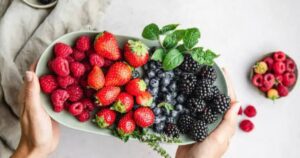
5. Blackberries — top antioxidant score and fiber boost
Blackberries are among the highest-scoring berries for antioxidant content and also provide fiber,
vitamin K, and manganese. They work exceptionally well for gut health and steady blood sugar support,
and their antioxidant profile complements other foods in this list for full-spectrum protection.
- Primary benefits: high antioxidant score, digestive health, blood sugar balance.
- Why they win: concentrated anthocyanins plus dietary fiber for slower sugar absorption.
- Serving idea: ¾ cup mixed into cottage cheese or eaten fresh with a small portion of oats.
- Preparation: fresh or frozen both retain strong antioxidant qualities if handled properly.
- Combination: mix with a citrus fruit for a vitamin C boost that helps antioxidant recycling.
6. Turmeric with black pepper — curcumin absorption multiplier
Turmeric’s active compound curcumin is a potent antioxidant and anti-inflammatory agent. On its own,
curcumin is poorly absorbed, but when paired with piperine (a compound in black pepper), absorption
skyrockets. That pairing turns turmeric into one of the more bioavailable antioxidant options that
can help joint health, digestion, and chronic inflammation when used consistently.
- Primary benefits: anti-inflammatory action, antioxidant enzyme support, joint relief for many users.
- How to use: combine ½ to 1 teaspoon turmeric with a pinch of freshly ground black pepper; include a healthy fat source like milk or coconut oil to improve curcumin uptake.
- Serving idea: turmeric latte (golden milk), simmered into soups, or added to savory breakfasts.
- Absorption note: black pepper increases bioavailability by multiple folds—do not skip it when using turmeric medicinally.
- Consistency: regular, small daily servings offer better long-term effects than occasional large doses.
consult a healthcare provider before using high-dose turmeric regularly.
7. Red grapes and red grape products — resveratrol and polyphenols
Red grapes (and 100% red grape juice) provide resveratrol and multiple polyphenols that support
cardiovascular health and cellular resilience. Resveratrol is frequently studied for its effects on
longevity pathways and circulation; while moderate intake is most beneficial, red grapes also hydrate
and provide quick, natural energy when needed.
- Primary benefits: heart-supporting resveratrol, antioxidant defense against oxidative damage.
- How they compare: resveratrol targets pathways different from green tea catechins, expanding antioxidant coverage.
- Serving idea: a small bowl of grapes as a snack, or ¼–½ cup 100% red grape juice with breakfast.
- Pairing: combine with a lean protein for balanced energy; do not rely on juice alone for daily hydration needs.
- Warning: juice adds calories—prioritize whole grapes when possible for fiber and slower absorption.
8. Beets and beet juice — betalains with unique antioxidant action
Beets contain betalains, antioxidants that support detox pathways, nitric oxide production, and blood flow.
Athletes often use beet juice for performance because it can improve endurance and circulation, while everyday
users benefit from the earthy nutrient profile and strong antioxidant signals that complement berry-based options.
- Primary benefits: improved blood flow, nitric oxide support, antioxidant detox pathways.
- How to use: raw beets in salads, roasted beets, or ½ cup of fresh beet juice mixed with other vegetable juices.
- Serving idea: a small glass of beet juice before workouts or beets added to salads three times per week.
- Practical caution: beet juice can temporarily color urine or stool—this is harmless but worth mentioning to patients/clients.
- Combination: pair with vitamin C-rich foods for better antioxidant recycling and absorption.
How to build a daily antioxidant routine that works
The most effective approach is variety and consistency. Pick two to three of the foods and drinks from
this list and rotate them through your week. A routine that mixes berries, a concentrated drink (matcha or
100% pomegranate juice), a plant-based spice (turmeric + black pepper), and occasional dark chocolate gives
broad-spectrum antioxidant coverage without fuss.
- Simple morning: matcha or pomegranate juice + a blueberry smoothie with spinach and oats.
- Lunch idea: salad with beets, blackberries, walnuts, and a squeeze of citrus for vitamin C.
- Snack: a square of 70% dark chocolate and a handful of red grapes or almonds in the afternoon.
- Evening: warm golden milk (turmeric + black pepper + a touch of honey) twice a week for joint support.
- Weekly plan: include beet juice on workout days and berries daily for a baseline antioxidant intake.
Practical pairing rules to increase antioxidant absorption
Some antioxidants absorb better with fat, while others are recycled by vitamin C. Following a few simple pairing
rules helps your body get the most from these foods and drinks. These combinations are easy and fit most diets.
- Fat helps: pair turmeric and dark chocolate with healthy fats (avocado, nuts, dairy or plant milk) for higher uptake.
- Vitamin C helps: combine berries or pomegranate juice with citrus or bell peppers to help antioxidant recycling.
- Whole foods win: choose whole fruits/berries over juices when possible for fiber and slower sugar absorption.
- Rotate sources: eating multiple types of antioxidants prevents overreliance on any single compound.
- Moderation: concentrated juices and matcha are powerful—use them thoughtfully within your daily calorie needs.
Small practical changes—like adding a pinch of black pepper to turmeric recipes or lemon to a berry bowl—are highly effective.
Safety notes and who should be cautious
These foods are safe for most people, but a few deserve caution in certain situations. If you are taking
prescription medications (especially blood thinners), pregnant or breastfeeding, or have specific medical
conditions, consult a healthcare professional before starting high-dose supplements or frequent concentrated
juices. Whole foods are typically lower risk than concentrated extracts, but it’s important to be mindful of
interactions and individual sensitivities.
- Turmeric: avoid very high doses with blood thinners or gallbladder disease without medical advice.
- Beet juice: can lower blood pressure; monitor if you have hypotension or take blood pressure medications.
- Dark chocolate: moderate due to calories and caffeine; choose 70%+ options for best benefits.
- Juices: watch sugar and calorie content—opt for 100% fruit juice and limit portions (¼–½ cup daily).
- Allergies: berries, nuts, and other foods can cause allergic reactions in sensitive individuals—stop use if you notice symptoms.
Two reliable external references to learn more
For deeper reading and evidence-based guidance, consult reputable sources that review antioxidant research and
dietary recommendations. These sites offer practical overviews and research summaries for consumers and clinicians.
- National Institutes of Health — review on dietary polyphenols and health
- Harvard Health — article on foods high in antioxidants
Quick shopping checklist (print or keep on phone)
Use this checklist to stock your kitchen with the most efficient antioxidant sources. Keep a rotation to get the
widest possible range of compounds without overwhelming your budget or routine.
- Frozen blueberries and blackberries (bulk bags)
- Matcha powder (ceremonial or culinary depending on use)
- 100% pomegranate juice (small bottle) or fresh seeds
- 70%–85% dark chocolate bars
- Fresh or roasted beets (or pre-made beet juice for workouts)
- Red grapes (seasonal) or small containers of fresh grapes
- Turmeric powder and whole black peppercorns (freshly ground)
- Walnuts, almonds, or seeds for healthy-fat pairings
Simple weekly menu sample to cover all bases
This sample week focuses on variety and practicality—rotate items based on availability and budget.
Each day includes at least two antioxidant-rich items and practical serving suggestions to keep the routine
sustainable.
- Monday: Blueberry smoothie (blueberries + spinach + protein) + matcha mid-morning; beets in lunch salad.
- Tuesday: Oatmeal with blackberries and walnuts + pomegranate juice with breakfast; dark chocolate snack.
- Wednesday: Salad with roasted beets + grapes for a snack; turmeric-laced soup in the evening.
- Thursday: Matcha smoothie; cottage cheese with berries; small square of dark chocolate post-lunch.
- Friday: Pomegranate seeds in yogurt; beet juice pre-workout; dinner with turmeric-spiced vegetables.
- Saturday: Berry bowl with citrus; grilled salmon with a side salad; grapes or dark chocolate for dessert.
- Sunday: Relaxed brunch: avocado toast with a side of mixed berries; matcha latte or herbal alternative.
How to measure progress — simple markers to track
Antioxidant intake is preventive and supportive—results are subtle and best tracked by consistent markers.
Instead of relying on immediate “feelings,” monitor sleep quality, energy consistency, skin appearance,
and recovery after workouts to judge the real-world impact of dietary changes over weeks and months.
- Energy: fewer mid-afternoon crashes after improving antioxidant variety.
- Recovery: reduced muscle soreness and faster recovery after workouts when beet juice and polyphenol foods are used.
- Skin: improved tone and reduced inflammation for many people after several weeks of consistent intake.
- Mood: small improvements in mood and focus when dark chocolate and berry-rich breakfasts are included.
- Weight and digestion: fiber-rich antioxidants improve digestion and can support weight goals when paired with whole foods.
Quick action plan:
- Choose two items from this list and add them to your day for the next two weeks.
- Use pairings: turmeric + black pepper, berries + vitamin C, dark chocolate + nuts.
- Evaluate sleep, energy, and recovery after 14–21 days and adjust portions for daily calorie needs.
Final practical notes before you paste this into WordPress
The content above is structured with headings, 4–5 line paragraphs where appropriate, and bullet lists
for readability. You can paste into Gutenberg as Custom HTML or into the visual editor — the inline styles
for highlight, note, and warning areas are lightweight and should match most themes. If your theme strips
inline styles, add a small custom CSS snippet in Appearance → Customize → Additional CSS to preserve box looks.
- SEO: primary keyword best antioxidant foods and drinks appears naturally in headings and body.
- Secondary keywords included: antioxidant foods stronger than green tea, best antioxidant drinks, foods high in antioxidants, powerful antioxidants for health.
- External links: included to NIH and Harvard Health for credibility and user reference.
- Boxes: styled inline so they appear correctly on most WordPress setups.