Anti-Inflammatory Foods That Also Keep You Full for Hours
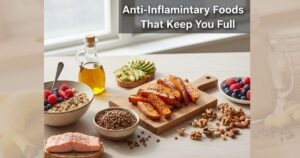
Many people believe frequent hunger is a willpower problem. They blame themselves for eating too often, snacking late, or craving food shortly after meals. But in many cases, the real issue is not discipline. It is a hidden combination of chronic inflammation and unstable hunger hormones that quietly disrupt appetite control.
When the body is inflamed, it struggles to regulate blood sugar, insulin, and the hormones that signal fullness. This creates a cycle where you feel hungry again even after eating enough. The good news is that certain Anti-Inflammatory Foods do more than calm inflammation. They also help regulate appetite naturally and keep you full for 3–4 hours without constant snacking.
Hunger is often a sign of inflammation, not lack of food. Understanding this changes how you choose what to eat and how often you feel the need to eat.
How Inflammation Increases Hunger and Cravings
Inflammation affects the way your body handles glucose and insulin. When inflammation is present for long periods, it can lead to insulin resistance. This means your cells stop responding properly to insulin, causing blood sugar to rise and fall more quickly than it should.
These rapid changes in blood sugar send confusing signals to your brain. Even when you have eaten enough calories, your body interprets the fluctuation as a need for more food. This is where inflammation and overeating become closely connected.
At the same time, inflammation interferes with two important hunger hormones: ghrelin and leptin. Ghrelin signals hunger, while leptin signals fullness. When these hormones become imbalanced, you may feel hungry again soon after meals, or you may never feel fully satisfied.
This hormonal disruption is also why cravings for sugary and salty foods increase. Your body looks for quick energy to stabilize blood sugar, even though the real problem is inflammation, not lack of calories.
Research from trusted health sources explains how inflammation contributes to insulin resistance and appetite dysregulation, making food choices even more important for long-term hunger control.
Signs Inflammation Is Making You Hungry Often
- You feel hungry again within 2 hours of eating
- You experience strong sugar cravings after meals
- You often feel bloated or uncomfortable
- Your energy levels drop quickly during the day
9 Anti-Inflammatory Foods That Keep You Full for Hours
Some foods work on two levels at the same time. They calm inflammation inside the body and help you feel satisfied for hours after eating. These are not just healthy foods. They are foods that reduce inflammation and hunger, making them powerful tools for appetite control and steady energy.
1. Oats
- How it reduces inflammation: Oats contain beta-glucan fiber and plant compounds that help lower inflammatory markers and support gut health.
- How it increases fullness: The soluble fiber forms a gel in the stomach, slowing digestion and stabilizing blood sugar. This makes oats one of the best high fiber anti-inflammatory foods.
- How long it keeps you full: Around 3–4 hours when eaten as a main meal.
- How to eat (USA style): Oatmeal with berries, chia seeds, and a spoon of nut butter for breakfast.
2. Chia Seeds
- How it reduces inflammation: Rich in omega-3 fatty acids and antioxidants that calm inflammatory responses.
- How it increases fullness: Chia seeds absorb liquid and expand, creating volume in the stomach that slows hunger signals.
- How long it keeps you full: 3–4 hours when soaked and combined with other foods.
- How to eat (USA style): Chia pudding with almond milk and fruit, or added to smoothies and yogurt.
3. Avocado
- How it reduces inflammation: Contains monounsaturated fats and antioxidants that lower inflammation levels.
- How it increases fullness: Healthy fats slow digestion and keep hunger hormones stable, making it one of the best anti-inflammatory foods for satiety.
- How long it keeps you full: 3 hours when paired with protein or fiber.
- How to eat (USA style): Sliced on whole-grain toast, in salads, or mashed into bowls.
4. Berries
- How it reduces inflammation: Loaded with antioxidants like anthocyanins that fight inflammatory stress.
- How it increases fullness: High fiber content slows sugar absorption and supports gut balance.
- How long it keeps you full: 2–3 hours when combined with protein or healthy fats.
- How to eat (USA style): Added to oatmeal, yogurt, or smoothies.
5. Salmon (Fatty Fish)
- How it reduces inflammation: One of the richest sources of omega-3 fatty acids known to lower inflammatory markers.
- How it increases fullness: High-quality protein and healthy fats slow digestion and reduce hunger hormones.
- How long it keeps you full: 4 hours when eaten as a main meal.
- How to eat (USA style): Grilled salmon with vegetables and quinoa or added to salads.
6. Lentils
- How it reduces inflammation: Packed with polyphenols and fiber that support gut health and reduce inflammatory triggers.
- How it increases fullness: Combination of plant protein and fiber makes lentils powerful foods that reduce inflammation and hunger.
- How long it keeps you full: 3–4 hours when used as a main dish.
- How to eat (USA style): Lentil soup, lentil salads, or mixed into grain bowls.
7. Walnuts
- How it reduces inflammation: Contains omega-3s and antioxidants that calm inflammatory pathways.
- How it increases fullness: Healthy fats and fiber slow stomach emptying and reduce cravings.
- How long it keeps you full: 2–3 hours as a snack when paired with fruit or yogurt.
- How to eat (USA style): A handful as a snack or chopped into oatmeal and salads.
8. Olive Oil
- How it reduces inflammation: Rich in oleocanthal, a compound known for anti-inflammatory effects similar to natural pain relief.
- How it increases fullness: Healthy fats slow digestion and improve satiety when added to meals.
- How long it keeps you full: Adds 1–2 extra hours of fullness when included in meals.
- How to eat (USA style): Drizzled over salads, vegetables, or grain bowls.
9. Sweet Potatoes
- How it reduces inflammation: High in antioxidants like beta-carotene that reduce inflammatory stress.
- How it increases fullness: Complex carbohydrates and fiber provide slow, steady energy release.
- How long it keeps you full: 3 hours when eaten with protein and healthy fats.
- How to eat (USA style): Roasted wedges, mashed, or added to meal bowls.
Why These Foods Control Hunger Hormones
The reason these Anti-Inflammatory Foods keep you satisfied for hours is not just about calories. It is about how they affect your digestion and your hormones at the same time.
Fiber plays a major role by slowing down digestion. When food moves slowly through the stomach and intestines, glucose enters the bloodstream at a steady rate. This prevents sudden spikes and crashes that usually trigger hunger soon after eating.
Healthy fats, such as those found in avocado, olive oil, walnuts, and salmon, delay gastric emptying. This means food stays in the stomach longer, sending consistent signals of fullness to the brain.
Protein further supports this process by stabilizing insulin levels. When insulin remains steady, the body does not send emergency hunger signals looking for quick energy.
At the same time, anti-inflammatory compounds reduce the stress hormones that often increase cravings and emotional eating.
You stay full because your hormones are stable, not because you ate more.
How to Combine These Foods Into One Meal (Plate Method)
These foods work best when combined in the same meal. Instead of eating them separately throughout the day, building a balanced plate allows fiber, healthy fats, and protein to work together for longer satiety.
- Breakfast: Oats with chia seeds and berries creates a fiber-rich start that controls mid-morning hunger.
- Lunch: Grilled salmon with roasted sweet potatoes and a drizzle of olive oil provides protein, healthy fats, and slow carbohydrates.
- Dinner: A lentil bowl with vegetables and olive oil offers plant protein, fiber, and anti-inflammatory benefits in one dish.
Anti-Inflammatory Satiety BowlCombine cooked lentils, fresh spinach, sliced avocado, and a spoon of mixed seeds in a bowl. Drizzle olive oil on top and add a pinch of salt and lemon juice. This bowl delivers fiber, healthy fats, plant protein, and anti-inflammatory nutrients together, helping you stay full for hours while supporting digestion and stable energy.
Who Will Benefit Most From These Foods
These foods are especially helpful for people who struggle with frequent hunger, cravings, and energy crashes during the day.
- People trying to lose weight without constant snacking
- Those managing PCOS and hormonal imbalance
- Individuals with diabetes or prediabetes who need stable blood sugar
- People who experience bloating and digestive discomfort after meals
- Stress eaters who feel hungry even after eating enough
Understanding how to combine protein, fiber, and healthy fats can make a noticeable difference in appetite control. You can read more about this approach here: Why High-Protein and High-Fiber Meals Are the Secret to Craving Control.
Common Mistakes That Cancel the Benefits
Even the best anti-inflammatory diet for weight loss can be sabotaged by common mistakes. Adding sugar to oats or syrup to berries turns naturally anti-inflammatory foods into high-sugar meals that spike insulin and hunger. Frying sweet potatoes in oil removes fiber benefits and adds unhealthy fats that can increase inflammation. Pairing olive oil with processed or junk foods also negates its anti-inflammatory effect. The key is to prepare these foods in their natural or lightly cooked form and combine them with other satiety-promoting ingredients. By avoiding these common pitfalls, you allow the foods to work as intended—reducing inflammation while keeping you full for hours.
1-Day Anti-Inflammatory Fullness Meal Plan
Breakfast: Oatmeal with chia seeds, fresh berries, and a spoon of almond butter. For more ideas, see our High-Fiber and High-Protein Soup for Weight Loss for a fiber-packed morning option.
Lunch: Grilled salmon with roasted sweet potatoes and a drizzle of olive oil. Follow the The Correct Order to Eat Food to Prevent Blood Sugar Spikes for optimal blood sugar control.
Snack: A handful of walnuts and sliced avocado or a chia pudding. Check High-Protein Snacks That Don’t Spike Blood Sugar for more snack options.
Dinner: Lentil bowl with spinach, seeds, avocado, and olive oil. This combination delivers fiber, healthy fats, protein, and anti-inflammatory compounds to end your day satisfied.
Conclusion
Anti-Inflammatory Foods do more than reduce inflammation—they also help regulate hunger hormones, keeping you full and preventing unnecessary snacking. Fullness comes from stable ghrelin, leptin, and insulin levels, not from overeating. By understanding how these foods affect both inflammation and appetite, you can make smarter choices and feel satisfied longer. Start small: try building just one plate tomorrow using these ingredients. Consistency over time can improve energy, reduce cravings, and support overall health while helping manage weight naturally.
Frequently Asked Questions (FAQs)
Q1: Can anti-inflammatory foods really keep me full for hours?Yes. Foods rich in fiber, healthy fats, and protein naturally slow digestion and stabilize hunger hormones. This means you stay full because your hormones are balanced, not because you ate more.
Q2: How do anti-inflammatory foods help with weight loss?When you choose high fiber anti-inflammatory foods like oats, lentils, and berries, you reduce cravings and prevent overeating. These foods manage insulin and ghrelin levels, which supports fat loss over time.
Q3: Can I combine these foods in one meal?Absolutely. Using the Plate Method helps. For example, oats + chia + berries for breakfast, salmon + sweet potato + olive oil for lunch, and a lentil bowl for dinner provide fiber, protein, and healthy fats together for lasting satiety.
Q4: Are there any mistakes to avoid?Yes. Avoid adding sugar to oats, frying sweet potatoes, using syrup on berries, or pairing olive oil with junk food. These habits can cancel the anti-inflammatory and satiety benefits. Learn more in our Anti-Inflammatory Diet for Weight Loss guide.
Q5: Who benefits most from these foods?People trying to lose weight, manage PCOS, diabetes, prediabetes, or those struggling with bloating and stress eating will notice the biggest improvements. For more tips, see Why High-Protein and High-Fiber Meals Are the Secret to Craving Control.
Q6: Can I have these foods every day?Yes, incorporating a variety of anti-inflammatory foods daily ensures stable hunger control and supports overall health. Rotate foods like salmon, lentils, berries, avocado, and seeds to get diverse nutrients and maintain interest in your meals.
Q7: How do I know if these foods are working?Signs include feeling full for 3–4 hours after meals, reduced cravings for sugary or salty foods, stable energy levels, and less bloating. Combining them with proper meal timing amplifies the benefits.
Disclaimer
This article is for informational purposes only and is not intended as medical advice. Individual nutritional needs and health conditions vary. Consult a qualified healthcare professional before making changes to your diet, especially if you are pregnant, managing a medical condition, or taking medication.
About the Author
This article is written by the VitaGlowZenith Editorial Team. We provide easy-to-understand, evidence-based wellness tips to help you make better health and lifestyle choices.