What Happens to Your Body When You Start Eating Protein First at Every Meal
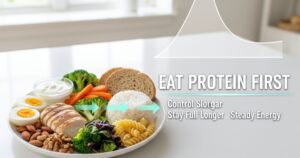
Most people make sure their meals include protein, but very few pay attention to when they eat it. In a typical meal, carbohydrates often come first — bread, rice, pasta, or snacks — and protein is eaten later or in smaller amounts. Because of this wrong sequence, many of the natural benefits of protein get reduced without people even realizing it.
It’s not just what you eat, but when you eat protein in the meal. This small change in meal order can quietly influence how your body handles blood sugar, hunger, energy, and even fat storage throughout the day.
This approach, known as Eating Protein First, is gaining attention because of how powerfully it supports metabolism and blood sugar control. With this simple habit, your body can go through seven major positive changes that make eating feel more stable, satisfying, and balanced.
What Happens Inside Your Body When You Eat Carbs First
When you begin a meal with carbohydrates, your digestive system quickly breaks them down into glucose. This glucose enters your bloodstream rapidly, causing a sharp rise in blood sugar levels. In response, your body releases a large amount of insulin to manage this sudden spike.
This insulin surge pushes glucose into your cells, but it also signals your body to store excess energy as fat. Soon after, blood sugar drops just as quickly as it rose, leaving you feeling tired, hungry, and craving more food. This is the familiar cycle of energy crashes and repeated snacking that many people experience every day.
This pattern becomes even more problematic for people trying to manage weight or stabilize their blood sugar. In contrast, understanding how protein slows glucose spikes reveals why meal order matters far more than most people think.
What Happens When You Start Eating Protein First
When you begin Eating Protein First at every meal, your body responds in ways that most people never expect from such a small change. No dieting. No food removal. Just change the order. This simple shift influences how your body handles glucose, insulin, hunger, energy, and digestion throughout the day.
1 — Slower Glucose Absorption
When protein enters your stomach first, it creates a natural barrier in the digestive process. Carbohydrates eaten afterward are broken down more slowly instead of rushing into the bloodstream. This leads to steadier glucose release rather than a sharp spike. Over time, this supports eating protein first for blood sugar control in a very practical way.
2 — Smaller Insulin Spike
Protein changes the way your body releases insulin after a meal. The protein and insulin response becomes more controlled and gradual. Instead of a large insulin surge, your body releases only what is needed. This helps prevent the cycle of rapid rise and fall in blood sugar that often leads to fatigue and hunger.
3 — Longer Fullness (Satiety Hormones)
Starting with protein activates satiety hormones that signal to your brain that you are full. This effect can last for 3 to 4 hours after eating. You feel satisfied with your meal and are less likely to think about snacks soon after. Meals begin to feel complete rather than temporary.
4 — Fewer Cravings After Meals
Because blood sugar stays stable, sudden cravings for sweets or salty snacks reduce significantly. This is one reason why protein first for weight loss works naturally without strict dieting. You stop chasing quick energy from processed foods because your body no longer demands it.
5 — Better Energy Stability
Many people feel sleepy or sluggish after eating, especially after carb-heavy meals. Eating protein first changes this pattern. Energy remains steady, and you do not experience the usual post-meal dip. You feel alert and comfortable instead of heavy and tired.
6 — Less Fat Storage
Since insulin remains controlled, your body receives fewer signals to store excess energy as fat. Instead, nutrients are used more efficiently for repair and fuel. Over time, this supports better weight management without consciously reducing food quantity.
7 — Better Gut Hormone Response
Protein stimulates gut hormones such as GLP-1 that improve digestion signals and blood sugar regulation. These hormones help coordinate how food moves through your system. This creates smoother digestion and a more balanced metabolic response after meals.
Signs This Trick Is Working for You
- No sleepiness after meals
- Less desire for sweets
- More stable mood during the day
- Feeling full for longer without extra snacks
Scientific Reason Protein First Works
The reason this method works is deeply connected to how your digestive system processes food in sequence.
1 — Gastric Emptying Slows
When protein is eaten first, it naturally slows down gastric emptying. This means food leaves your stomach at a slower, more controlled pace. As a result, carbohydrates eaten later enter the small intestine gradually instead of all at once.
2 — Protein Triggers GLP-1 Hormone
Protein stimulates the release of a gut hormone called GLP-1. This hormone plays a major role in blood sugar regulation, appetite control, and digestion timing. It signals your body to handle nutrients more efficiently.
3 — Delays Carb Digestion
Because digestion is already slowed, carbohydrates break down more steadily. Glucose enters the bloodstream at a controlled rate rather than causing a spike.
4 — Improves Insulin Efficiency
With a gradual glucose release, insulin works more effectively and does not need to surge. This is why eating protein first for blood sugar control is supported by research. For deeper understanding, see research summaries from trusted sources like Harvard Health and Healthline on protein and blood sugar balance.
Learn more here:
Harvard Health — Blood Sugar Control
Best Protein Foods to Eat First (USA Examples)
To experience the protein before carbs benefits, start your meal with simple, accessible protein sources that fit easily into everyday eating habits:
- Eggs — boiled, scrambled, or omelet
- Greek yogurt — plain, unsweetened
- Grilled or baked chicken breast
- Tofu — sautéed or lightly seasoned
- Cottage cheese — fresh and plain
- A small handful of nuts — almonds, walnuts, or peanuts
- Lentils or beans — lightly cooked, not heavily sauced
Next, eat vegetables or salad.
Finish with rice, bread, or pasta.
Who Should Follow This Habit Daily
This approach is especially helpful for people who struggle with unstable energy, frequent hunger, or blood sugar fluctuations. The meal order for diabetics is often discussed in clinical nutrition because sequence directly affects glucose response.
People with diabetes and prediabetes can benefit from this habit as it helps reduce sharp glucose spikes after meals. Those trying to lose weight may notice fewer cravings and better appetite control. Individuals with PCOS, who often deal with insulin resistance, may also find this method supportive.
Office workers and people with sedentary routines can use this habit to prevent post-meal sleepiness and maintain steady focus during the day without changing what they eat.
Common Mistakes People Make
Many people try to follow this method but unknowingly reduce its effectiveness because of small mistakes.
Eating protein and carbohydrates together at the same time does not create the same effect as eating protein first. The sequence is what matters. Starting a meal with fruits may also cause a quick glucose rise, especially when eaten on an empty stomach.
Drinking fruit juice or sweet beverages with meals cancels out the benefits by introducing rapid sugar into the bloodstream. Skipping protein at breakfast is another common issue that leads to early hunger and energy crashes.
To truly experience eating protein first for blood sugar control, protein must be the very first thing your body processes in the meal.
Breakfast, Lunch, Dinner Examples
Applying this method in daily life is simple when you know how to structure your plate.
Breakfast
Start with plain Greek yogurt. Add a few nuts for extra protein and healthy fats. Finish your meal with toast or whole-grain bread. This order keeps you full and prevents mid-morning cravings.
Lunch
Begin with grilled chicken or tofu. Eat a bowl of fresh salad or vegetables next. Have rice at the end of the meal. This sequence helps maintain steady afternoon energy without sleepiness.
Dinner
Start with a light protein source such as soup with eggs or lentils. Follow with cooked vegetables. End the meal with pasta or bread. This reduces the chances of nighttime glucose spikes.
To understand this concept more deeply, you can also read The Correct Order to Eat Food to Prevent Blood Sugar Spikes, explore snack ideas in High-Protein Snacks That Don’t Spike Blood Sugar, try meals from High-Protein High-Fiber Meals for Craving Control, and include options from High-Protein Soups for Fullness Without Sugar Spike.
Conclusion
Changing the order of your food may sound small, but it has a powerful effect on how your body manages blood sugar, hunger, and energy. You do not need to remove carbohydrates or follow a strict diet to see benefits.
Eating Protein First is a simple, practical habit that works with your body’s natural digestive process. By letting protein lead the meal, you create a smoother glucose response and longer-lasting fullness.
Try this method today with your next meal and observe how differently your body feels in the hours that follow.
Frequently Asked Questions
Does eating protein first really make a difference?
Yes. The protein before carbs benefits come from how digestion timing changes. Protein slows down how quickly carbohydrates are broken down, which leads to steadier blood sugar, better fullness, and fewer cravings after meals.
How protein slows glucose spikes in a meal?
Protein delays gastric emptying and carb digestion. This means glucose enters the bloodstream gradually instead of all at once, preventing sharp spikes and crashes that usually happen when carbs are eaten first.
What is the connection between protein and insulin response?
The protein and insulin response is more controlled and efficient. Instead of a large insulin surge, your body releases insulin in a measured way, which helps reduce fat storage signals and improves energy stability.
Is this meal order helpful for people with diabetes?
Yes. This meal order for diabetics is often recommended because it supports better blood sugar handling after meals without removing carbohydrates from the diet.
Can I still eat carbs if I follow this method?
Absolutely. You are not removing carbs. You are only changing the sequence. This is why many people find it easier to follow long term compared to strict diets.
Where can I learn more about proper food order and protein-based meals?
You can read more in these related guides:
The Correct Order to Eat Food to Prevent Blood Sugar Spikes
High-Protein Snacks That Don’t Spike Blood Sugar
High-Protein High-Fiber Meals for Craving Control
High-Protein Soups for Fullness Without Sugar Spike
Disclaimer
This article is for informational purposes only and is not intended as medical advice. Individual nutritional needs and health conditions vary. Consult a qualified healthcare professional before making changes to your diet, especially if you are pregnant, managing a medical condition, or taking medication.
About the Author
This article is written by the VitaGlowZenith Editorial Team. We provide easy-to-understand, evidence-based wellness tips to help you make better health and lifestyle choices.