Gut–Brain Axis Foods: High-Protein Meals That Naturally Support Mood and Digestion
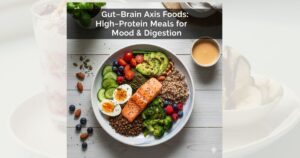
Many people move through their day feeling constantly tired, slightly bloated, mentally foggy, and emotionally unsettled without understanding why. Mood swings, low energy, and digestive discomfort often appear together, yet they are usually treated as separate issues. One solution is tried for digestion, another for stress, and something else for fatigue. Most people treat these as separate problems without realizing they start in the gut.
Research now shows a strong gut brain connection diet can directly influence how we feel, think, and function. Nearly 90% of serotonin, the mood chemical, is produced in the gut, not the brain. When digestion is poor and the gut lining is irritated, it can affect neurotransmitter production, which may lead to anxiety, low mood, and brain fog along with digestive symptoms.
This article will guide you through practical gut brain axis foods, high protein meals for gut health, and simple meal patterns that support both mood and digestion. You will also learn common mistakes people make, the best timing for these meals, and who should be cautious before making dietary changes.
Why the Gut–Brain Axis Matters for Your Mood
- Your gut is not just for digestion; it actively produces and regulates chemicals that influence mood, including serotonin and dopamine.
- Protein-rich foods provide the amino acids your body needs to repair and protect the gut lining, which supports smoother digestion and better nutrient absorption.
- Balanced meals that combine protein, fiber, and healthy fats help stabilize blood sugar levels, which can reduce anxiety, irritability, and sudden sugar cravings.
- When digestion works efficiently, your body can absorb nutrients properly, leading to improved focus, mental clarity, and steady energy throughout the day.
What Is the Gut–Brain Axis?
The gut–brain axis is a two-way communication highway between your digestive system and your brain. Messages constantly travel back and forth through nerves, hormones, and chemical signals. This is why your mental state can quickly affect your stomach, and why digestive problems can quietly influence your mood and thinking.
For example, stress before an exam, presentation, or important event often leads to acidity, bloating, or an unsettled stomach. This happens because the brain signals the gut to slow digestion and shift into a stress response. On the other hand, when the gut is irritated or imbalanced, it can send distress signals back to the brain that show up as anxiety, brain fog, or low mood.
A major part of this connection depends on the microbiome — the trillions of bacteria living inside your gut. These bacteria help produce mood-related chemicals, support digestion, and maintain the gut lining. Feeding them correctly is essential. Combining protein rich foods for digestion with fiber creates an ideal environment where good bacteria can thrive while the gut lining gets the support it needs to heal.
Fiber from whole foods, especially fruits and plant sources, acts as fuel for these beneficial bacteria. You can learn more about high-fiber fruit options in this guide on Fruits Diabetics Can Eat Daily. When protein and fiber work together in meals, they become powerful gut brain axis foods that support both digestion and emotional balance.
Why High-Protein Meals Help Both Mood and Digestion
High-protein meals for gut health do much more than support muscles. They play a direct role in how you feel emotionally, how clearly you think, and how comfortably your digestive system works. When protein is paired with the right foods, it becomes one of the most effective tools in a gut brain connection diet.
1) Amino Acids and Mood Chemicals
Protein is made up of amino acids, which are the building blocks your body uses to create important mood-regulating chemicals. For example, tryptophan is an amino acid that helps your body produce serotonin, the chemical linked to feelings of calm and emotional balance. Other amino acids support the production of dopamine, which is associated with motivation, focus, and mental clarity.
Without enough protein in your meals, your body may struggle to produce these chemicals efficiently, which can show up as low mood, anxiety, or brain fog.
2) Repair of the Gut Lining
Your intestinal lining acts as a protective barrier that controls what enters your bloodstream. Poor diet, stress, and digestive issues can weaken this lining over time. Protein rich foods for digestion provide the nutrients needed to repair and rebuild these damaged intestinal walls, helping the gut function more smoothly and reducing irritation.
This repair process is essential in meals that heal gut lining and improve overall digestive comfort.
3) Blood Sugar Stability
Protein slows down how quickly food is digested and absorbed, which helps keep blood sugar levels stable. When blood sugar rises and crashes rapidly, it can lead to irritability, anxiety, cravings, and sudden fatigue. Balanced, protein-focused meals prevent these crashes and create steady energy and mood throughout the day.
For more practical ideas, you can explore options in this guide on High-Protein Snacks That Don’t Spike Blood Sugar, which supports both mood and digestion through smart food choices.
7 High-Protein Meals That Support Gut & Brain
These meals use simple ingredients, are easy to digest, and provide both protein and fiber to support the gut–brain connection.
They are designed to be practical for daily life while helping you build a gut brain connection diet that improves mood and digestion together.
Each meal combines gut brain axis foods that stabilize energy, repair the gut lining, and support emotional balance.
Meal 1: Greek Yogurt Protein Bowl with Berries and Seeds
A thick, creamy bowl of plain Greek yogurt topped with fresh berries, chia seeds, and a handful of nuts. The mix of colors and textures makes it both satisfying and light on the stomach.
Why it works for gut: Yogurt provides probiotics, berries add fiber, and seeds support easy digestion while feeding good gut bacteria.
Why it works for mood: The protein content supplies amino acids that help produce mood chemicals and provide steady energy.
Best time to eat: Morning
Portion guidance: 1 bowl (about 1 cup yogurt with toppings)
Explore more options here: Diabetic Breakfast Ideas Without Bread
Meal 2: Scrambled Eggs with Spinach and Avocado
Soft scrambled eggs cooked with fresh spinach and served with sliced avocado on the side. Warm, gentle, and filling without feeling heavy.
Why it works for gut: Spinach provides fiber, eggs are easy to digest, and avocado supports smooth digestion.
Why it works for mood: Eggs are rich in amino acids that support serotonin and dopamine production for mental clarity.
Best time to eat: Morning or lunch
Portion guidance: 2 eggs with 1 cup spinach and half an avocado
Meal 3: Lentil and Vegetable Protein Bowl
A warm bowl of cooked lentils mixed with lightly sautéed vegetables like zucchini, carrots, and bell peppers. Comforting, colorful, and rich in texture.
Why it works for gut: Lentils are high in fiber and gentle protein that feed beneficial gut bacteria and support digestion.
Why it works for mood: Provides steady energy and amino acids without causing blood sugar spikes.
Best time to eat: Lunch
Portion guidance: 1.5 cups cooked mixture
Meal 4: Grilled Salmon with Quinoa and Steamed Broccoli
A balanced plate with tender grilled salmon, fluffy quinoa, and soft steamed broccoli. Light, nourishing, and easy to digest.
Why it works for gut: Broccoli and quinoa provide fiber while salmon is gentle on digestion.
Why it works for mood: Salmon provides protein and healthy fats that support brain function and emotional balance.
Best time to eat: Lunch or evening
Portion guidance: 1 salmon fillet with 1 cup quinoa and 1 cup broccoli
Meal 5: Chickpea and Vegetable Soup
A warm, comforting soup made with chickpeas, tomatoes, carrots, and herbs. Easy to consume and soothing for the stomach.
Why it works for gut: Chickpeas offer fiber and plant protein that feed good bacteria and support gut lining repair.
Why it works for mood: Provides slow, steady energy and supports production of mood chemicals.
Best time to eat: Evening
Portion guidance: 1–2 bowls
See a related recipe here: High-Fiber and High-Protein Smootheis for Weight Loss
Meal 6: Cottage Cheese with Cucumber and Flaxseeds
A simple bowl of cottage cheese mixed with chopped cucumber and sprinkled with flaxseeds. Cool, light, and refreshing.
Why it works for gut: Easy to digest protein with fiber that supports healthy gut bacteria.
Why it works for mood: Protein supports stable energy and mood throughout the day.
Best time to eat: Afternoon or evening
Portion guidance: 1 cup cottage cheese with toppings
Meal 7: Oatmeal with Peanut Butter and Banana
Warm oatmeal stirred with natural peanut butter and topped with sliced banana. Soft, comforting, and filling.
Why it works for gut: Oats provide soluble fiber that feeds gut bacteria and supports digestion.
Why it works for mood: Peanut butter and oats provide protein and steady-release energy for emotional balance.
Best time to eat: Morning
Portion guidance: 1 medium bowl
For more easy options, visit: No-Cook Breakfast Ideas for Diabetics
Who Should Be Careful
While these meals are safe for most people, some should make adjustments.
- People with dairy intolerance may need to replace yogurt or cottage cheese with plant-based alternatives.
- Those with kidney conditions should monitor protein intake and consult a professional before increasing it.
- Individuals with severe digestive disorders may need to introduce fiber slowly to avoid discomfort.
- Anyone on a medically restricted diet should adapt these meals according to their dietary guidelines.
Best Time to Eat These Meals for Maximum Benefit
Morning
Starting your day with a protein-focused breakfast sets the tone for both mood and digestion. A balanced morning meal prevents sudden blood sugar spikes and crashes, helping you feel mentally steady, focused, and calm throughout the day. This is when your body is most receptive to nutrients that support the gut brain connection diet.
Lunch
Midday is when your metabolism and digestive capacity are naturally strongest. Eating one of these high protein meals for gut health at lunch allows your body to break down food efficiently, absorb nutrients properly, and support the microbiome when it is most active.
Evening
A light but protein-rich evening meal helps prevent late-night cravings and emotional eating. It supports a calm mood, steady digestion overnight, and reduces the chances of waking up feeling bloated or sluggish the next morning.
Common Mistakes That Damage the Gut–Brain Axis
Too Much Sugar Feeds Bad Bacteria
Excess sugar in the diet encourages the growth of harmful gut bacteria. This imbalance can irritate the gut lining and interfere with the production of mood-regulating chemicals, affecting both digestion and emotional stability.
Processed Food Damages the Gut Lining
Highly processed foods often lack fiber and contain additives that may weaken the intestinal barrier over time. This can make digestion uncomfortable and disrupt the natural gut brain connection.
Skipping Protein Breakfast
Missing a protein-rich breakfast often leads to unstable energy, cravings, and irritability later in the day. Without amino acids early on, your body struggles to support mood chemicals and steady digestion.
Eating While Stressed or Rushed
When you eat in a stressed state, your brain signals the gut to slow digestion. This can lead to bloating, discomfort, and poor nutrient absorption, even if the meal itself is healthy.
How Long Does It Take to See Mood & Digestion Improvement?
In the first few days, you may notice reduced bloating and more stable energy as your meals begin supporting smoother digestion. Within one to two weeks, many people feel fewer cravings, better focus, and a calmer mood as blood sugar levels and gut activity stabilize.
By the third to fourth week, the microbiome starts responding positively to consistent protein and fiber intake. This is when deeper improvements in digestion and emotional balance often become noticeable. Over time, these small daily meal choices can create lasting changes in how both your gut and mind function together.
Conclusion
Gut health and mental health are deeply connected in ways many people overlook. What you eat directly influences not only how your stomach feels, but also how clearly you think and how emotionally balanced you remain.
Protein is often the missing part of gut-healing diets. While fiber and probiotics receive attention, amino acids from protein are essential for repairing the gut lining and producing the chemicals that regulate mood.
Small daily meal changes can transform how you feel physically and mentally. When you start feeding your gut correctly, your mind begins to feel lighter naturally.
Frequently Asked Questions (FAQ)
1. What are some foods that improve mood naturally?
Foods that improve mood naturally often include protein-rich options like eggs, yogurt, salmon, and legumes. These provide amino acids needed to produce serotonin and dopamine, supporting both emotional balance and steady energy throughout the day.
2. Which protein rich foods are best for digestion?
Protein rich foods for digestion include soft-cooked eggs, Greek yogurt, lentils, and salmon. When paired with fiber, these meals help repair the gut lining and feed beneficial bacteria, improving overall gut health and nutrient absorption.
3. Can meals really heal gut lining?
Yes, meals that heal gut lining focus on combining protein and fiber to support intestinal repair and healthy microbiome growth. Consistently including such foods helps reduce bloating, irritation, and digestive discomfort over time.
4. What is the best diet for anxiety and digestion?
A gut brain connection diet that balances high-protein meals with fiber, probiotics, and healthy fats is ideal. This approach supports neurotransmitter production, stabilizes blood sugar, and improves digestion, which together help reduce anxiety and promote calmness.
Disclaimer: This article is for informational purposes only and is not a substitute for professional medical advice. Always consult your healthcare provider before making changes to your diet, especially if you have medical conditions or dietary restrictions.
About the Author
This article is written by the VitaGlowZenith Editorial Team. We provide easy-to-understand, evidence-based wellness tips to help you make better health and lifestyle choices.