10 Natural GLP-1 Alternatives: High-Protein Recipes for Busy Weight Loss (No Ozempic Needed)
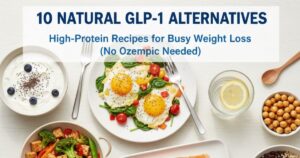
If you feel like you’re constantly hungry, confused about what actually works for weight loss, and overwhelmed by all the Ozempic buzz — you’re not alone. Many busy people want results but hesitate when it comes to injections, extreme appetite suppression, or plans that don’t fit real life.
Between long workdays, mental fatigue, and conflicting advice online, it’s hard to know what to trust. You may want better appetite control and steady weight loss, but without strict diets or something that feels risky or unrealistic. That’s where understanding GLP-1 alternatives through everyday food choices can make a real difference.
This article focuses on food-based solutions — specifically high-protein recipes for weight loss that support fullness, help reduce constant cravings, and actually work with a busy routine. No extreme rules, no fear-driven advice. Just practical, high-protein meals that help your body feel satisfied and supported in a natural way.
Why Weight Loss Feels So Hard Even When You Try
If weight loss feels harder than it should, it doesn’t mean you’re lazy or doing something wrong. Many people genuinely try — they eat less, follow plans, and still feel stuck. One of the biggest frustrations is constant hunger, even after meals that are supposed to be “healthy.”
Most diets focus only on willpower and calorie control, but they ignore how the body actually responds to food. When meals don’t keep you full, hunger signals stay high. That’s why cravings come back quickly, energy drops, and sticking to a plan starts to feel exhausting rather than empowering.
Over time, repeated diet failures create self-doubt. You may start wondering if your body is different or if weight loss is just not meant for you. In reality, the problem is usually the approach — not you. When appetite isn’t managed properly, even the most motivated person struggles to stay consistent.
Why Ozempic Became So Popular (And What People Really Want)
Ozempic didn’t become popular because people suddenly wanted medication. It became popular because it promised something many diets fail to deliver — appetite control. People noticed they felt full faster, thought less about food, and finally experienced relief from constant hunger.
What most people are really searching for isn’t a shortcut or rapid weight loss. They want to feel in control around food again. They want meals that satisfy them, reduce cravings, and make weight loss feel calmer instead of stressful. That’s why interest in foods like Ozempic naturally has grown so quickly.
This shift shows a deeper desire for solutions that work with the body, not against it. Instead of forcing restriction, people are looking for ways to support fullness and appetite balance through everyday choices — especially options that feel safer, more sustainable, and easier to maintain long term.
What GLP-1 Actually Does in the Body (Simple Language)
GLP-1 is not a trend or a buzzword — it’s a natural hormone your body already makes. Its main job is to help regulate appetite. When GLP-1 levels are supported, your body sends clearer signals that you’re full, satisfied, and don’t need to keep eating.
One important role of GLP-1 is slowing down digestion slightly. This means food stays in your stomach longer, helping you feel full for more time after meals. When fullness lasts longer, overeating becomes less likely, and cravings don’t hit as quickly between meals.
GLP-1 also helps calm the constant mental noise around food. Instead of feeling like you’re always thinking about your next snack, your appetite feels more balanced. This is why appetite control often feels easier when GLP-1 is working properly — not because you’re forcing yourself to eat less, but because your body feels more satisfied.
The key thing to understand is that GLP-1 works quietly in the background. It doesn’t create dramatic overnight changes. It supports better eating behavior by making fullness feel more natural, which is exactly what most people struggle with during weight loss.
What “GLP-1 Alternatives” Really Mean
- Supporting the body’s natural appetite and fullness signals
- Not expecting instant or extreme weight loss results
- Using a food-first approach instead of relying on medication
Can Natural Foods Really Work as GLP-1 Alternatives?
The short answer is yes — natural foods can work as GLP-1 alternatives, but not in the instant or extreme way people sometimes expect. Instead of forcing appetite suppression, certain foods support your body’s natural GLP-1 response over time, helping fullness feel more stable and hunger easier to manage.
This approach works gradually. When you consistently eat foods that support appetite signals, digestion slows slightly, satisfaction lasts longer, and overeating becomes less frequent. The goal isn’t quick weight loss — it’s creating an eating pattern that feels calm, realistic, and sustainable.
That’s why many people are now focusing on natural GLP-1 foods. These are everyday options that help the body feel more satisfied without relying on injections, strict rules, or fear-based dieting. For busy lifestyles, this food-first method often feels safer and much easier to maintain long term.
Why High-Protein Meals Help Control Hunger Better
Protein plays a powerful role in appetite control because it helps you feel full for longer after eating. Compared to meals that are mostly refined carbs, protein-rich meals digest more slowly and send stronger fullness signals to the brain.
This is why protein meals for appetite control are so effective. When meals keep hunger steady, energy levels stay more stable throughout the day. You’re less likely to experience sudden cravings, emotional snacking, or the urge to overeat later.
For busy people, high-protein meals work especially well because they reduce the need for constant food decisions. Instead of grazing or searching for snacks, meals feel more satisfying and mentally freeing. Over time, consistently choosing high-protein meals to reduce hunger makes weight loss feel more manageable and far less exhausting.
Why Busy People Need Protein-Focused Meals
- Less frequent snacking because meals keep you full longer
- Easier consistency without tracking or strict food rules
- Better appetite control throughout long, busy days
10 Natural GLP-1 Alternatives (High-Protein Recipes)
These high-protein recipes for weight loss are designed for real life — busy schedules, limited cooking time, and the need for meals that actually keep you satisfied. Each option supports appetite control naturally, without extreme restriction. For more tips on staying full naturally, check out our high-protein meal guide.
1. Greek Yogurt with Chia Seeds
Why this works:
Greek yogurt digests slowly and supports fullness, while chia seeds expand in the stomach. This combination helps reduce quick hunger rebound after eating. It naturally stimulates GLP-1 response, supporting satiety signals.
Protein type:
Animal-based + slow-digesting protein (~12–15g per serving)
Why it fits a busy life:
No cooking required. Takes less than two minutes to prepare. Perfect for breakfast or snack on-the-go.
How to use it:
One bowl of plain Greek yogurt with one tablespoon of chia seeds. Pair with berries or nuts if needed.
2. Egg and Vegetable Scramble
Why this works:
Egg protein supports satiety hormones and keeps digestion steady. Vegetables add volume without excess calories. GLP-1 signaling is naturally enhanced by protein-rich meals like this.
Protein type:
Animal-based protein (~14–18g per serving)
Why it fits a busy life:
Quick to cook and easy to batch prep for multiple meals.
How to use it:
Two eggs scrambled with vegetables. Eat alone or with a small slice of whole-grain toast. For meal prep tips, see our guide on busy weight loss meals.
3. Cottage Cheese with Seeds
Why this works:
Cottage cheese is rich in slow-digesting protein, reducing hunger between meals. Regular consumption helps sustain GLP-1-mediated fullness.
Protein type:
Animal-based / slow-digesting protein (~10–12g per serving)
Why it fits a busy life:
Ready-to-eat and easy to portion. Ideal for mid-morning or afternoon snack.
How to use it:
Half to one cup of cottage cheese with flax or pumpkin seeds.
4. Lentil and Vegetable Bowl
Why this works:
Lentils provide protein and fiber together, supporting digestion and longer-lasting fullness. They gently stimulate natural GLP-1 responses and help reduce cravings.
Protein type:
Plant-based protein (~12–15g per serving)
Why it fits a busy life:
Cook once and use for several meals, or prepare in a slow cooker for minimal effort.
How to use it:
One bowl of cooked lentils with mixed vegetables and olive oil.
5. Tofu Stir-Fry
Why this works:
Tofu absorbs flavors well and provides steady protein that helps manage appetite. Plant proteins like tofu also gently enhance GLP-1 activity naturally.
Protein type:
Plant-based protein (~10–12g per serving)
Why it fits a busy life:
Quick cooking time and flexible ingredient choices. Great for lunch or dinner prep.
How to use it:
Pan-fry tofu with vegetables. Pair with a small portion of grains if needed. Learn more about high-protein combos for appetite control.
6. Salmon with Steamed Vegetables
Why this works:
Salmon protein and healthy fats help meals feel satisfying. Protein from fish naturally supports GLP-1-mediated fullness, reducing snacking urges.
Protein type:
Animal-based protein (~20–25g per serving)
Why it fits a busy life:
Cooks quickly and works well for simple dinners or batch prep.
How to use it:
One palm-sized portion of salmon with vegetables. Optional: pair with quinoa or lentils.
7. Protein Smoothie with Nut Butter
Why this works:
Liquid meals with sufficient protein can support fullness when combined with fiber or healthy fats. Smoothies can gently stimulate GLP-1 for appetite control.
Protein type:
Mixed protein (plant or animal-based) (~20g per serving)
Why it fits a busy life:
Perfect for mornings or on-the-go meals.
How to use it:
Blend protein source with nut butter and unsweetened liquid. Our smoothie tips for quick prep.
8. Chickpea Salad
Why this works:
Chickpeas combine protein and fiber, helping appetite stay controlled. Regular intake may support natural GLP-1 activity for longer satiety.
Protein type:
Plant-based protein (~12g per serving)
Why it fits a busy life:
No cooking required if using pre-cooked chickpeas.
How to use it:
One cup chickpeas with vegetables and olive oil.
9. Chicken and Veggie Bowl
Why this works:
Lean protein helps reduce hunger without heaviness, supporting GLP-1 signals that promote satiety.
Protein type:
Animal-based protein (~25g per serving)
Why it fits a busy life:
Easy to prep in advance for the week.
How to use it:
One portion of grilled chicken with vegetables.
10. Beans with Quinoa
Why this works:
Combining plant proteins creates a more filling meal that digests steadily. This combination gently enhances natural GLP-1 response for longer fullness.
Protein type:
Plant-based protein (~12–15g per serving)
Why it fits a busy life:
Simple ingredients, flexible portions, and minimal prep.
How to use it:
Half quinoa, half beans, paired with vegetables.
Clarification: Ozempic vs Natural GLP-1 Foods
- Ozempic is a medication that directly affects GLP-1 signaling
- Natural foods support the body’s own GLP-1 response without injections
- Results from foods are gradual, sustainable, and safer for long-term habits
For best results, rotate these meals throughout the week, pair with balanced portions, and listen to your hunger cues. If you want more tips on practical busy-day meal prep, explore our full guide here. Small, consistent changes go a long way in supporting appetite and steady weight loss naturally.
Quick Tip:
- Practice portion control — even high-protein meals can overfill if portions are too large
- Pair meals with fiber or healthy fats for longer-lasting fullness
Quick Tip:
- Batch cook or prep ingredients ahead of time to save minutes during busy days
- Keep quick protein options ready for unpredictable schedules
Gentle Reminder:
- Start small — gradually incorporate these meals into your routine
- Everyone reacts differently; listen to your body and adjust portions
- Consistency matters more than perfection — daily small steps win
How to Use These Foods in Your Daily Routine
Incorporating high-protein, natural GLP-1 supporting foods into your day doesn’t have to be complicated. The key is simple swaps and smart meal planning that fits a busy lifestyle. These practical ideas make it easier to stay full, manage appetite, and support steady weight loss naturally.
Breakfast Ideas
- Start your day with Greek yogurt topped with chia seeds and berries — ready in under 2 minutes and keeps you full until mid-morning.
- Egg and vegetable scrambles provide lasting satiety. Batch-prep vegetables on weekends to save time on busy mornings.
- Protein smoothies with nut butter offer portable options for mornings when you’re on the go, supporting natural GLP-1 responses and reducing cravings.
Lunch & Dinner Swaps
- Replace heavy, carb-focused meals with lentil and vegetable bowls or tofu stir-fries. These high-protein meals for appetite control help maintain energy and fullness.
- Swap out processed foods for simple protein-rich meals like grilled chicken or salmon with steamed vegetables. These meals are easy to batch cook and perfect for busy weight loss routines.
- Beans with quinoa or chickpea salads are excellent plant-based swaps, providing both fiber and protein to naturally reduce hunger between meals.
Snack Replacements
- Instead of reaching for chips or sweets, have cottage cheese with seeds or a small portion of nuts. These snacks keep hunger in check and stabilize energy.
- Greek yogurt or protein smoothies can also double as mid-morning or afternoon snacks, making it easier to stick with your routine without feeling deprived.
- Keep pre-portioned options ready to avoid impulsive eating — a small container of high-protein foods can save you from grabbing unhealthy alternatives.
By weaving these options into breakfast, lunch, dinner, and snacks, you create a routine that supports busy weight loss meals without stress. Focus on consistency, not perfection, and gradually you’ll notice better appetite control and more satisfaction from every meal.
Common Mistakes That Block Results
Even when you focus on high-protein, GLP-1 supporting meals, certain habits can slow progress. Being aware of these common pitfalls helps you stay consistent and avoid frustration.
- Eating too much protein at once — your body can only digest so much comfortably
- Ignoring balance — pairing protein with fiber, healthy fats, and vegetables improves fullness and digestion
- Expecting fast results — natural GLP-1 support works gradually, not overnight
Simple Habits That Make Results Stick
- Keep meals repeatable — find a few go-to recipes that work for you
- Focus on routine — eating at consistent times helps appetite control
- Add light movement — walking or stretching after meals supports digestion and fullness
Who Should Be Careful With GLP-1 Supporting Foods
While most people can benefit from these natural GLP-1 alternatives, a few groups should be mindful:
For more scientific insights on how natural foods can support GLP-1 and appetite control,Healthline: GLP-1 and Appetite Control.
- Sensitive digestion: High-protein or fiber-rich meals may cause bloating initially
- New starters: Gradually introduce these foods to allow your body to adjust
- Moderation is important: Overeating even healthy proteins can create discomfort or slow results
Being attentive to your body ensures you experience the benefits without unnecessary stress. Adjust portions, try foods slowly, and pair them wisely for best results.
Conclusion
Supporting your appetite and weight loss naturally is about relief, not pressure. By using GLP-1 alternatives through high-protein, balanced meals, you create a food-first approach that fits busy lifestyles. Focus on simple, repeatable habits, stay consistent, and prioritize gradual, sustainable results. Over time, this mindset not only improves fullness and energy but also sets you up for long-term success, without relying on extreme diets or medication shortcuts.
The foods and recipes mentioned here are meant to support healthy eating and appetite management in general, but individual results may vary.
Always listen to your body, and consult a qualified healthcare professional if you have any health concerns, food allergies, or medical conditions before making changes to your diet.
The content is based on general research and practical guidance for busy lifestyles, not personalized medical guidance.
About the Author
This article is written by the VitaGlowZenith Editorial Team. We provide easy-to-understand, evidence-based wellness tips to help you make better health and lifestyle choices.