These 15 Foods and Nutrition Trends Will Be Everywhere Very Soon
Have you ever struggled to keep your diet both healthy and exciting? Many people find it challenging to figure out which foods are actually trending and beneficial for their overall well-being. If you’ve been wondering how to eat smarter and stay updated with the latest health food trends, you’re not alone.
In this article, you will learn the top 15 foods and nutrition trends that are gaining attention and why they matter. By the end, you’ll have actionable tips and a clear understanding to incorporate these trends into your daily routine.
In This Article, You Will Learn:
- Benefits: How these foods and trends can improve your health and energy.
- Mistakes to Avoid: Common errors people make while following nutrition trends.
- How-To Steps: Simple ways to integrate these trends into your meals.
- Safety Tips: Things to keep in mind to avoid negative effects.
- Direct Answers: Quick insights about each trend.
- Practical Tips: Real-life examples for breakfast, snacks, and dinner.
1. Plant-Based Protein Blends
Plant-based protein blends are gaining massive popularity among health enthusiasts. Many beginners ask, “Are these proteins as effective as animal-based ones?” The answer is yes, when consumed properly and balanced with a varied diet.
- Benefit: Supports muscle growth and recovery.
- How to Use: Add to smoothies, oatmeal, or baked goods.
- Example: Pea and rice protein combination powders.
2. Fermented Foods for Gut Health
Fermented foods like kimchi, sauerkraut, and kefir are trending because they naturally improve gut microbiome. Many people ask, “Can fermented foods really boost digestion?” Research shows consistent consumption helps support digestion and immunity.
- Benefit: Enhances gut health and nutrient absorption.
- How to Include: Use as side dishes or in salads.
- Example: Daily servings of kefir or miso soup.
3. Low-Sugar Functional Snacks
With the rise of awareness about sugar, low-sugar functional snacks are now on everyone’s radar. “What are functional snacks?” you may wonder—they provide added benefits beyond basic nutrition, like added fiber or protein.
- Benefit: Reduces sugar intake while keeping energy stable.
- How to Use: Swap regular chips or cookies with these healthy alternatives.
- Example: Protein bars with natural sweeteners like stevia or monk fruit.
4. Anti-Inflammatory Spices
Spices like turmeric, ginger, and cinnamon are trending because of their anti-inflammatory properties. Many beginners ask, “Do spices really reduce inflammation?” Studies suggest consistent use supports overall health.
- Benefit: Reduces chronic inflammation, supports immunity.
- How to Use: Add to teas, smoothies, and cooking.
- Example: Turmeric latte or ginger infused water.
5. High-Protein Breakfast Foods
High-protein breakfasts help sustain energy throughout the morning. Many people struggle with keeping full until lunch. Including eggs, Greek yogurt, or protein-rich oats addresses this problem effectively.
- Benefit: Supports metabolism and satiety.
- How to Use: Breakfast smoothies, omelets, or protein oatmeal bowls.
- Example: Greek yogurt parfait with nuts and seeds.
6. Smart Carbs
Carbs are trending in the form of smart or complex carbs like oats, quinoa, and millets. Many beginners ask, “Should I avoid carbs completely?” The key is choosing the right type.
- Benefit: Provides sustained energy without blood sugar spikes.
- How to Use: Include in meals as part of balanced diet.
- Example: Quinoa salad with vegetables and legumes.
7. Clean Label Packaged Foods
Consumers are now looking for minimally processed, clean label packaged foods. Many ask, “What counts as clean label?” Foods with fewer artificial ingredients and natural preservatives qualify.
- Benefit: Supports overall health and reduces exposure to additives.
- How to Use: Choose packaged snacks with simple ingredient lists.
- Example: Organic nut bars or seeds packs.
8. Collagen-Rich Foods
Natural collagen foods are trending to support skin and joint health. Beginners often ask, “Do collagen foods really work?” Consuming foods rich in collagen precursors helps maintain healthy skin and joints.
- Benefit: Supports skin elasticity and joint health.
- How to Use: Add bone broth or collagen-rich proteins to diet.
- Example: Chicken skin, fish skin, bone broth soups.
9. Hydration-Boosting Drinks
Functional drinks like infused water or coconut water are trending. Many people neglect hydration until it impacts energy levels. These drinks help maintain proper hydration efficiently.
- Benefit: Boosts hydration and nutrient absorption.
- How to Use: Replace sugary beverages with infused water.
- Example: Lemon-cucumber or mint infused water.
10. Superfood Powders
Superfood powders like spirulina, moringa, and matcha are trending because they provide concentrated nutrients. Many beginners ask, “Are powders better than whole foods?” They complement diet when used correctly.
- Benefit: Adds micronutrients and antioxidants easily.
- How to Use: Add to smoothies, teas, or breakfast bowls.
- Example: Spirulina smoothie with banana and almond milk.
11. Plant-Based Dairy Alternatives
Almond, oat, and soy milk are becoming popular. Many ask, “Is plant milk as nutritious?” Fortified versions provide essential vitamins while reducing dairy intake.
- Benefit: Dairy-free calcium and vitamin D.
- How to Use: Use in cereals, coffee, and baking.
- Example: Oat milk latte or almond milk smoothies.
12. Functional Mushrooms
Mushrooms like reishi, lion’s mane, and chaga are trending for immunity and mental focus. Beginners ask, “How do I use them?” They can be added to teas or powdered supplements.
- Benefit: Supports immunity and cognitive function.
- How to Use: Add to soups, teas, or smoothies.
- Example: Lion’s mane tea or chaga coffee.
13. Omega-3 Rich Foods
Foods like fatty fish, flax seeds, and chia seeds are trending for heart health. Many ask, “Do plant-based omega-3s work?” They support cardiovascular and brain health efficiently.
- Benefit: Improves heart and brain health.
- How to Use: Include in salads, smoothies, or baked goods.
- Example: Chia seed pudding or salmon fillet.
14. Mindful Eating & Portion Control
Trends in mindful eating and portion control help manage calorie intake without strict dieting. Beginners often ask, “How do I start?” Focus on slow eating and portion awareness.
- Benefit: Prevents overeating and improves digestion.
- How to Use: Eat slowly, chew well, and serve smaller portions.
- Example: Use smaller plates and set aside seconds.
15. Seasonal & Local Foods
Eating seasonal and local foods is trending due to freshness and sustainability. Many ask, “Does seasonality matter?” Fresh local produce is nutrient-rich and environmentally friendly.
- Benefit: Maximizes nutrient intake and supports local economy.
- How to Use: Shop at farmers’ markets or local stores.
- Example: Seasonal berries in smoothies or local vegetables in soups.
Many beginners ask, “Where can I learn more about nutrition trends?” For further guidance, you can explore Healthline Nutrition or check Medical News Today Nutrition for reliable information.
Extra Tips to Maximize Nutrition Trends
Many beginners often wonder how to make these foods and nutrition trends part of their everyday life. Integrating them doesn’t have to be complicated. A few simple strategies can make a huge difference in achieving a healthier lifestyle.
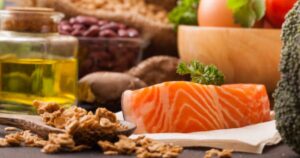
- Benefit: Helps you sustain energy, improve immunity, and enhance overall health.
- How to Include: Plan meals weekly to include at least 3–4 trending foods.
- Example: Add chia seeds to breakfast, fermented foods to lunch, and omega-3 rich foods to dinner.
- Routine: Start small and gradually increase portions of these trending foods.
- Practical Tip: Mix plant-based proteins with animal proteins for balanced nutrition.
Common Mistakes to Avoid
Even when following trending nutrition advice, many beginners make errors that reduce benefits. Here’s what to watch for:
- Overloading on one type of superfood and neglecting variety.
- Ignoring hydration while increasing fiber intake.
- Relying solely on packaged “trending” foods without including fresh options.
- Skipping proper portion control thinking trending foods are always healthy in large amounts.
How to Create Your Personalized Nutrition Plan
Here’s a simple method to turn these 15 foods and nutrition trends into a daily routine that works for you:
- Step 1: Identify 5–7 trending foods that you enjoy eating.
- Step 2: Spread them across breakfast, lunch, and dinner for balanced nutrition.
- Step 3: Mix different sources of protein, fiber, and healthy fats daily.
- Step 4: Include at least one fermented food and one anti-inflammatory spice each day.
- Step 5: Monitor your energy, digestion, and overall feeling to adjust quantities.
Many beginners ask, “Do I need to follow these trends every day?” The key is consistency, not perfection. Incorporate them gradually and focus on variety.
For further information on healthy eating and trending nutrition, check Nutrition Society or EatRight.org for science-backed guidance.
Quick Guide: 15 Foods and Nutrition Trends You Need to Know
If you’re looking for a fast way to grasp the key points from this article, here’s a quick summary of the 15 foods and nutrition trends and how they can improve your health:
- Plant-Based Protein Blends: Supports muscle growth and recovery.
- Fermented Foods: Boosts gut health and immunity.
- Low-Sugar Functional Snacks: Keeps energy stable and reduces sugar intake.
- Anti-Inflammatory Spices: Reduces inflammation and supports overall health.
- High-Protein Breakfast: Sustains energy and promotes satiety.
- Smart Carbs: Provides lasting energy without blood sugar spikes.
- Clean Label Packaged Foods: Minimally processed and healthier for daily consumption.
- Collagen-Rich Foods: Supports skin elasticity and joint health.
- Hydration-Boosting Drinks: Maintains hydration and nutrient absorption.
- Superfood Powders: Adds micronutrients and antioxidants easily.
- Plant-Based Dairy Alternatives: Dairy-free source of vitamins and minerals.
- Functional Mushrooms: Enhances immunity and cognitive function.
- Omega-3 Rich Foods: Supports heart and brain health.
- Mindful Eating & Portion Control: Prevents overeating and aids digestion.
- Seasonal & Local Foods: Maximizes nutrient intake and supports sustainability.
Use this quick guide as a reference to integrate trending foods and nutrition tips into your daily routine without overwhelm.
Conclusion: Stay Ahead with These Nutrition Trends
Incorporating these 15 foods and nutrition trends can help you improve your energy, health, and overall well-being. Start small, mix different trends into your meals, and observe what works best for your body. Remember, consistency and variety are key to long-term benefits.
Frequently Asked Questions
- Q1: Are plant-based proteins as effective as animal proteins?
Yes, when balanced properly with a varied diet. - Q2: How often should I eat fermented foods?
Include them a few times a week for gut health benefits. - Q3: Can I follow all 15 trends at once?
Start gradually, mix a few trends at a time and increase over time. - Q4: Are low-sugar snacks really helpful?
Yes, they help maintain energy and reduce sugar spikes. - Q5: Do I need supplements for these nutrition trends?
Whole foods are best, supplements can be used to complement diet if needed. - Q6: How do I know which trends suit me?
Observe your energy, digestion, and overall feeling to see what works best. - Q7: Are these trends safe for everyone?
Generally safe, but listen to your body and consult a professional if you have specific health concerns.
Disclaimer
This article is for informational purposes only. It is not intended as medical or professional advice. Always consult your healthcare provider before making significant changes to your diet or lifestyle.
About the Author
This article is written by the VitaGlowZenith Editorial Team. We provide easy-to-understand, evidence-based wellness tips to help you make better health and lifestyle choices.