5 Powerful Yoga Poses to Improve Mindfulness and Mental Clarity
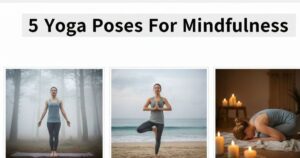
In today’s fast-moving lifestyle, keeping the mind calm and focused often feels challenging. Work pressure, constant notifications, and daily responsibilities make it difficult to stay present. This is where yoga poses to improve mindfulness can make a real difference. Yoga is not only about stretching the body; it is a powerful practice that helps bring attention back to the present moment. Through gentle movements, controlled breathing, and awareness, yoga encourages the mind to slow down and reset. Regular practice of yoga for mindfulness and simple mindfulness yoga exercises can improve mental clarity, reduce stress, and create a sense of inner balance. By focusing on how the body moves and how the breath flows, yoga helps train the mind to stay centered, calm, and more aware throughout the day.
How Does Yoga Help with Mindfulness?
Yoga helps build mindfulness by creating a strong connection between the body, breath, and mind. Instead of rushing through movements, yoga encourages slow and intentional actions that bring attention to the present moment. When you focus on how your body feels during each pose, the mind naturally becomes calmer and more aware.
Breath Awareness
One of the key ways yoga supports mindfulness is through breath awareness. Deep, steady breathing helps quiet mental distractions and keeps the mind anchored in the present. By paying attention to each inhale and exhale, yoga poses to improve mindfulness train the mind to stay focused rather than wandering.
Body Awareness and Concentration
Yoga requires gentle concentration on body alignment and movement. This awareness helps you notice physical sensations without judgment. Over time, this practice strengthens mental focus and improves the ability to stay present, which is a core part of mindfulness.
Reduction of Stress and Tension
Mindful yoga movements help relax the nervous system and reduce stress-related tension in the body. Slow stretches and controlled breathing support the natural release of stress hormones, allowing the mind to feel lighter and more balanced. This calming effect makes it easier to maintain mental clarity throughout the day.
Improved Focus Through Regular Practice
Consistency is essential when using yoga for mindfulness. Regular practice improves attention span and mental discipline by training the mind to stay engaged with the body and breath. Over time, mindfulness yoga exercises help build a steady sense of focus that extends beyond the mat and into daily life.
Key Takeaway
- Yoga connects breath, body, and mind to support mindfulness.
- Breath awareness helps keep attention in the present moment.
- Regular practice reduces stress and improves mental focus.
What Yoga Poses Are Good for Mindfulness?
Practicing specific yoga poses for mindfulness can greatly enhance your focus, reduce stress, and help you stay present. Below are five powerful yoga poses, their benefits, and step-by-step guidance on how to practice them effectively. These poses are suitable for beginners and help improve mental clarity, calmness, and overall mindfulness.
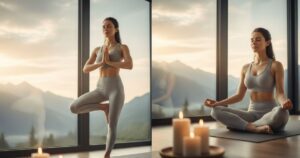
1. Mountain Pose (Tadasana)
Description: Mountain Pose is a simple standing pose that emphasizes posture, balance, and awareness of the body. It is often the starting point for many yoga routines and helps ground your mind and body.
Mindfulness Benefit: Encourages breath awareness, improves body alignment, and strengthens focus on the present moment.
How to Do It:
- Stand with feet together, arms at your sides, and weight evenly distributed.
- Engage your thighs and lift through the crown of your head.
Take deep, slow breaths, focusing on the rise and fall of your chest and abdomen.
- Hold for 30–60 seconds while maintaining awareness of your body and breath.
2. Child’s Pose (Balasana)
Description: Child’s Pose is a restful posture that allows the body to relax while the mind focuses inward.
Mindfulness Benefit: Calms the nervous system, releases stress, and enhances mental clarity.
How to Do It:
- Kneel on the mat, touch your big toes together, and sit back on your heels.
- Fold forward, bringing your forehead to the floor and extending your arms in front of you or alongside your body.
- Breathe deeply and feel the stretch along your back and shoulders.
- Hold for 1–3 minutes, focusing on your breath and body sensations.
3. Tree Pose (Vrikshasana)
Description: Tree Pose is a balancing posture that strengthens concentration and stability.
Mindfulness Benefit: Enhances focus, improves balance, and encourages full awareness of posture and breath.
How to Do It:
- Stand tall in Mountain Pose.
- Shift weight onto your left foot and place the sole of your right foot on your inner left thigh or calf (avoid the knee).
- Bring your palms together at your chest or raise them overhead.
- Focus on a fixed point in front of you and breathe deeply for 30–60 seconds.
4. Seated Forward Bend (Paschimottanasana)
Description: A seated stretch that targets the spine, hamstrings, and mind-body connection.
Mindfulness Benefit: Promotes deep relaxation, reduces stress, and improves focus on the present moment.
How to Do It:
- Sit on the mat with legs extended straight in front of you.
- Inhale, lengthen your spine, and exhale as you fold forward, reaching for your feet or shins.
- Relax your head, neck, and shoulders while maintaining steady breathing.
- Hold for 1–2 minutes, concentrating on body sensations and breath.
5. Corpse Pose (Savasana)
Description: The ultimate relaxation pose, Savasana allows the mind and body to completely rest.
Mindfulness Benefit: Reduces stress hormones, promotes mental clarity, and enhances mindfulness by observing the body and breath without effort.
How to Do It:
- Lie flat on your back with legs slightly apart and arms at your sides, palms facing upward.
- Close your eyes and take slow, deep breaths.
- Scan your body from head to toe, noticing sensations without judgment.
- Stay in this position for 5–10 minutes for complete relaxation.
Key Takeaways:
- Mountain Pose, Child’s Pose, Tree Pose, Seated Forward Bend, and Corpse Pose are highly effective yoga poses for mindfulness.
- These poses improve mental clarity, reduce stress, and enhance focus.
- Practicing mindfulness yoga exercises regularly trains the mind to stay present and balanced.
- Use breath awareness and body concentration in each pose for maximum benefits.
Tips for More Mindful Yoga Practice
Practicing yoga mindfully can take your focus and mental clarity to the next level. To get the most benefit from mindfulness yoga exercises and yoga for mental clarity, it’s important to stay fully present during each pose. Here are some practical tips to help you deepen your mindfulness practice.
1. Close Your Eyes and Focus Inward
Closing your eyes during certain poses can help minimize distractions and bring attention inward. This simple technique enhances body awareness and allows you to fully connect with your breath.
2. Listen to Your Body Without Judgment
Pay attention to how your body feels during each movement. Avoid forcing any pose or comparing yourself with others. Accept your body’s limits, and adjust poses as needed. This encourages a non-judgmental mindset, which is key for mindfulness.
3. Focus on Breath Awareness
Breathing is the foundation of mindful yoga. Concentrate on slow, deep inhales and exhales while performing each pose. This helps reduce stress hormones and improves overall focus, allowing the mind to stay present in the moment.
4. Take Small Breaks to Observe
Pause between poses to notice sensations, tension, or areas of relaxation in your body. Reflecting briefly helps you maintain mental clarity and reinforces the connection between breath, body, and mind.
5. Practice Consistently
Regular practice is essential for lasting mindfulness benefits. Even short daily sessions of yoga poses for mindfulness can train your mind to stay focused and calm, improving mental clarity over time. Verywell Fit: How Yoga Improves Mindfulness
Quick Mindfulness Tips:
- Close your eyes to reduce distractions and enhance focus.
- Listen to your body and avoid judgment while practicing.
- Focus on steady breathing to improve mental clarity.
- Take brief pauses to observe sensations and maintain awareness.
- Practice consistently for long-term mindfulness benefits.
Common Mistakes to Avoid in Mindfulness Yoga Practice
While practicing yoga poses for mindfulness, beginners often make small mistakes that can reduce the effectiveness of their practice. Being aware of these common pitfalls helps you stay mindful, safe, and get the maximum benefit from your yoga sessions. NHS: Mindfulness Techniques
- Rushing Through Poses: Moving too quickly can prevent you from fully connecting with your breath and body. Take your time to feel each pose.
- Ignoring Breath Awareness: Forgetting to focus on slow, deep breathing reduces the mindfulness effect. Always coordinate breath with movement.
- Comparing Yourself with Others: Mindfulness is personal. Avoid looking at others or forcing poses beyond your comfort level.
- Skipping Relaxation: Not including poses like Child’s Pose or Savasana limits mental calm and clarity. Always end with relaxation.
- Inconsistent Practice: Practicing irregularly prevents the mind from developing focus and awareness. Even short daily sessions are more effective than occasional long ones.
Summary: Key Takeaways from Mindfulness Yoga Practice
- Yoga poses to improve mindfulness help calm the mind, enhance focus, and bring attention to the present moment.
- Mountain Pose, Child’s Pose, Tree Pose, Seated Forward Bend, and Corpse Pose are highly effective for building mindfulness and mental clarity.
- Focus on breath awareness and body concentration during each pose to maximize benefits.
- Close your eyes, listen to your body without judgment, and take small pauses to observe sensations for deeper mindfulness.
- Avoid common mistakes such as rushing, ignoring breath, comparing yourself to others, skipping relaxation, and inconsistent practice.
- Regular and consistent practice of mindfulness yoga exercises gradually improves stress reduction, focus, and inner balance.
- Use short daily sessions rather than long occasional practices for better results and sustained mental clarity.
FAQ: Mindfulness Yoga Practice
1. Can beginners practice mindfulness yoga?
Answer: Yes. Beginners can start with simple poses like Mountain Pose or Child’s Pose to gradually build focus and body awareness.
Explanation: Starting slowly allows you to learn breath coordination, posture alignment, and how to stay present without feeling overwhelmed.
2. How often should I practice yoga for mindfulness?
Answer: Daily practice, even for 10–20 minutes, is ideal.
Explanation: Regular short sessions are more effective than long, infrequent ones. Consistency trains the mind to remain calm and focused.
3. Can mindfulness yoga help reduce stress and anxiety?
Answer: Yes. Mindfulness yoga exercises lower stress hormones and promote relaxation.
Explanation: By combining breath awareness with body movements, these poses calm the nervous system and improve overall mental clarity.
4. Do I need to be flexible to practice mindfulness yoga?
Answer: No. Flexibility is not required.
Explanation: Mindfulness yoga focuses on breath, awareness, and presence. You can modify poses to suit your body and still benefit fully.
5. Which yoga poses are best for mental clarity?
Answer: Mountain Pose, Child’s Pose, Tree Pose, Seated Forward Bend, and Corpse Pose are excellent for mental clarity.
Explanation: These poses encourage focus, calmness, and body awareness, helping you stay present and relaxed throughout the day.
Conclusion
Mindfulness yoga is a powerful practice that helps you stay present, reduce stress, and improve mental clarity. By incorporating poses like Mountain Pose, Child’s Pose, Tree Pose, Seated Forward Bend, and Corpse Pose, you can build stronger focus, calm your mind, and develop a balanced mental state. Remember to focus on breath, listen to your body, and practice consistently for the best results. Small daily sessions of yoga poses for mindfulness can make a big difference in your overall well-being.
Disclaimer
This article is for informational purposes only and is not intended to replace professional medical advice. Always consult a qualified healthcare provider before beginning any new exercise program, especially if you have pre-existing health conditions or concerns. Practice yoga safely and listen to your body.
About the Author
This article is written by the VitaGlowZenith Editorial Team. We provide easy-to-understand, evidence-based wellness tips to help you make better health and lifestyle choices.