The Correct Order to Eat Food to Prevent Blood Sugar Spikes
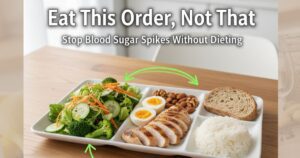
Many people believe they are eating healthy, yet they still experience energy crashes, sudden hunger, and unexpected weight gain. They carefully choose whole foods, reduce sugar, and avoid junk, but their body still reacts in a way that feels out of control. The issue is often not the food itself, but the way the food is eaten.
Most people focus on what to eat, not how to eat. This small but powerful difference is where the real problem begins. Your body does not only respond to nutrients, it also responds to the sequence in which those nutrients enter your system.
The Correct Order to Eat Food can help you prevent sharp blood sugar rises without dieting, without removing carbohydrates, and without changing what you love to eat. A simple change in sequence can make your meals work with your body instead of against it.
What Happens Inside Your Body When You Eat Carbs First
When you start your meal with bread, rice, pasta, potatoes, or any fast-digesting carbohydrate, your body quickly breaks them down into glucose. This glucose enters your bloodstream rapidly, creating a sudden spike in blood sugar levels.
In response, your pancreas releases a large amount of insulin to bring that sugar down. This insulin surge does its job, but it also signals your body to store more fat, especially around the abdominal area. Soon after, blood sugar drops just as quickly as it rose, and you begin to feel tired, sleepy, or hungry again.
This cycle repeats every day for many people without them realizing it. Learning how to prevent glucose spikes after meals starts with understanding that eating carbohydrates first is often the hidden trigger behind these energy crashes and cravings.
Signs Your Meal Order Is Causing Sugar Spikes
- Feeling sleepy or sluggish soon after eating
- Strong sugar cravings after lunch or dinner
- Gradual increase in belly fat despite eating “healthy” foods
- Feeling hungry again within a short time after a meal
The Correct Order to Eat Food
This method does not ask you to change your diet. It asks you to change the sequence in which you eat what is already on your plate. This small adjustment can dramatically improve food order for blood sugar control and help your body respond to meals in a calmer, more balanced way.
- Step 1 — Start with Fiber (Vegetables or Salad)
Begin your meal with raw or lightly cooked vegetables. Fiber forms a protective layer in your digestive system and slows down how quickly glucose enters your bloodstream later in the meal. This first step prepares your body to handle the rest of the food more smoothly.Examples include lettuce, broccoli, cucumber, carrots, mixed greens, cabbage, or any simple salad. Adding a little olive oil or vinegar can make this step even more effective. - Step 2 — Eat Protein and Healthy Fats
After fiber, move to protein and healthy fats. These nutrients slow digestion and reduce the speed at which carbohydrates are broken down. This creates a steady energy release instead of a sudden spike.Examples include chicken, eggs, tofu, beans, lentils, yogurt, olive oil, nuts, and seeds. - Step 3 — Eat Carbohydrates Last
Only after finishing fiber, protein, and fats should you eat carbohydrates. By this time, your digestive system is already working at a slower pace, which prevents rapid glucose entry into the blood.Examples include rice, bread, pasta, potatoes, tortillas, or grains.
You don’t need to remove carbs — just change the order. Your plate stays the same. The sequence changes everything. This is the Correct Order to Eat Food that supports stable energy, better appetite control, and fewer glucose spikes.
Simple Plate Example (USA Foods)Start with a fresh salad of lettuce, cucumber, carrots, and olive oil. Then eat grilled chicken, tofu, or eggs for protein and healthy fats. Finish the meal with a serving of rice or a slice of bread. Nothing changes on your plate except the order in which you eat it.
Scientific Reason This Order Works
- Gastric emptying slows down: Fiber and fats delay how quickly food leaves your stomach, preventing rapid glucose release into the bloodstream.
- Fiber forms a gel-like barrier: Soluble fiber mixes with water and creates a gel that slows carbohydrate breakdown and glucose absorption.
- Insulin response becomes smoother: Because glucose enters slowly, the pancreas releases insulin in a controlled way instead of a large surge.
- Gut hormones signal fullness: This sequence activates hormones that reduce hunger and prevent overeating later.
Research from trusted sources explains how fiber and meal structure influence glucose control and insulin response. You can read more about this here:
Harvard Health – How nutrients affect digestion and blood sugar.
Who Should Follow This Eating Order Strictly
This approach is helpful for almost everyone, but some people benefit from following it more carefully and consistently. The meal sequence for diabetics is especially important because even small glucose spikes can affect long-term health and energy levels.
People with prediabetes can use this method to prevent their condition from progressing. Those trying to lose weight often notice fewer cravings and better appetite control when they follow this sequence. Individuals with PCOS may also benefit because stable blood sugar helps reduce hormonal fluctuations linked to insulin resistance.
Office workers and people with sedentary routines can use this eating order to avoid post-meal sleepiness and repeated hunger throughout the day. It is a practical method that fits easily into daily meals without requiring special foods.
Who May Not Need Strict OrderAthletes with high energy demands, people who frequently experience low blood sugar, and growing children may not need to follow this order very strictly. Their energy usage and metabolic needs are different and often require quicker carbohydrate availability.
Common Mistakes People Make
Many people unknowingly disrupt food order for blood sugar control by making small mistakes at the start of their meals. One common habit is eating fruit first. Although fruit is healthy, it contains natural sugars that can enter the bloodstream quickly when eaten on an empty stomach during meals.
Drinking fruit juice, soda, or sweet beverages with meals is another mistake. Liquids allow sugar to absorb even faster, causing an immediate glucose rise before the body is ready to handle it.
Starting meals with bread, rice, or other carbohydrates is perhaps the most frequent issue. Skipping vegetables entirely or leaving them for the end of the meal removes the protective effect that fiber provides. These habits may seem harmless but can lead to repeated sugar spikes throughout the day.
How This Eating Order Helps in Weight Loss Without Dieting
When blood sugar remains stable, cravings naturally reduce. You no longer feel the sudden urge to snack, reach for sweets, or eat again shortly after finishing a meal. This steady energy pattern makes it easier to go longer between meals without feeling deprived.
By following this sequence, your body uses food more efficiently instead of storing excess as fat. You feel satisfied for longer, which leads to fewer unnecessary calories throughout the day. Over time, this simple habit supports weight loss without strict dieting or food restrictions.
This is why combining this method with meals rich in protein and fiber can be even more effective. You can explore this approach further here:
High-Protein High-Fiber Meals for Craving Control.
Practical Example: Breakfast, Lunch, Dinner Order
Applying this method becomes easier when you see how it fits into regular meals you already eat. The foods do not change. Only the order does.
Breakfast Order
Start with sautéed vegetables such as spinach, mushrooms, or tomatoes. Then eat eggs for protein and healthy fats. Finish with a slice of whole-grain toast. This sequence helps you stay full through the morning without mid-morning hunger.
Lunch Order
Begin with a salad made of lettuce, cucumber, carrots, and olive oil dressing. Next, eat grilled chicken or tofu for protein. End the meal with a portion of rice. This order prevents the afternoon energy crash many people experience.
Dinner Order
Start with a light vegetable soup or fresh salad. Then eat your main protein source such as beans, fish, chicken, or tofu. Finish with pasta or bread. Soups rich in protein and fiber are especially helpful, as explained here:
High-Protein Soups for Fullness Without Sugar Spike.
Choosing snacks and supporting foods wisely can make this routine even more effective. You can read more here:
High-Protein Snacks That Don’t Spike Blood Sugar and
Gut–Brain Axis Foods.
Conclusion
Many people try to control their blood sugar and weight by changing what they eat, when a more powerful solution lies in changing how they eat. The Correct Order to Eat Food works with your body’s natural digestion process to prevent sharp glucose spikes and unnecessary fat storage.
This is not a diet, a restriction, or a complicated plan. It is a simple daily habit that fits into every meal without effort. By adjusting the sequence of fiber, protein, and carbohydrates, you allow your body to stay energized, satisfied, and balanced throughout the day.
You can start applying this method from your very next meal and notice the difference in how you feel.
Frequently Asked Questions
1. What is the best eating order for weight loss?
The best eating order for weight loss is to start with vegetables (fiber), then move to protein and healthy fats, and eat carbohydrates at the end of the meal. This sequence reduces cravings, keeps you full longer, and prevents unnecessary snacking without requiring you to change the foods you enjoy.
2. Which foods help stabilize blood sugar when eaten first?
Foods that stabilize blood sugar when eaten first are fiber-rich vegetables such as lettuce, broccoli, cucumber, carrots, cabbage, and leafy greens. These foods slow digestion and prepare your body to handle carbohydrates more smoothly later in the meal.
3. Why is eating fiber before carbs important?
Eating fiber before carbs creates a natural barrier in your digestive system. This slows down how quickly glucose from carbohydrates enters your bloodstream, preventing sharp spikes and energy crashes after meals.
4. Should I always eat protein before carbs?
Yes, eating protein before carbs helps slow gastric emptying and reduces the speed at which carbohydrates are digested. This leads to a smoother insulin response and longer-lasting fullness after meals.
5. Can this method work if I eat snacks during the day?
Yes. Even during snacks, try to eat fiber or protein first. You can explore practical snack ideas here:
High-Protein Snacks That Don’t Spike Blood Sugar.
6. Do I need special foods to follow this method?
No. You do not need special foods, supplements, or a new diet plan. You simply change the sequence of the foods already on your plate.
Disclaimer
This article is for informational purposes only and is not intended as medical advice. Individual nutritional needs and health conditions vary. Consult a qualified healthcare professional before making changes to your diet, especially if you are pregnant, managing a medical condition, or taking medication.
About the Author
This article is written by the VitaGlowZenith Editorial Team. We provide easy-to-understand, evidence-based wellness tips to help you make better health and lifestyle choices.